How to Choose the Right Geothermal Unit for Your Home?
Choosing the right geothermal unit begins with your home's heating and cooling demands, not a glossy efficiency label. A unit that is too small may run constantly during freezing weather. An oversized system can cycle often and waste energy. Room size, insulation, window exposure, duct condition, and local climate all matter. A professional load calculation, such as Manual J, gives the decision a stronger foundation. It also reveals problems that equipment alone cannot solve.
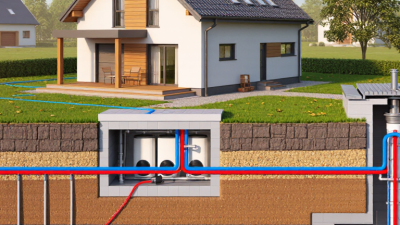
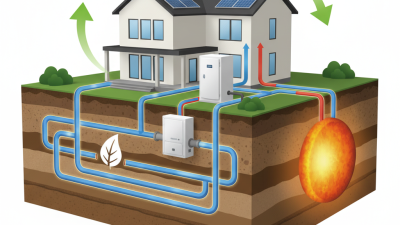
The ground loop deserves equal attention. Horizontal loops need open land, while vertical boreholes suit smaller lots but cost more to drill. Water availability, soil composition, rock layers, and permitting requirements can change the design. An experienced contractor should explain the loop layout, expected entering-water temperatures, noise levels, service access, and backup heat plan. Ask for published capacity data and seasonal performance ratings. Manufacturer claims are useful, but they are not a substitute for site-specific engineering. Site conditions vary.
A reliable geothermal unit should match your budget, comfort goals, and long-term maintenance ability. Compare total ownership costs, including drilling, pumps, controls, electricity, repairs, and available incentives. Check installer credentials, references, warranties, and commissioning procedures. Small details matter, such as leaving clearance around the cabinet for filter changes. Fit matters. The lowest quote may hide weak loop design or limited support. That is easy to miss. A thoughtful choice also accepts uncertainty: soil conditions can shift estimates, and actual savings may differ from projections. This guide helps you ask better questions before signing a contract.
Assess Home Heating Loads Before Sizing a Geothermal Unit
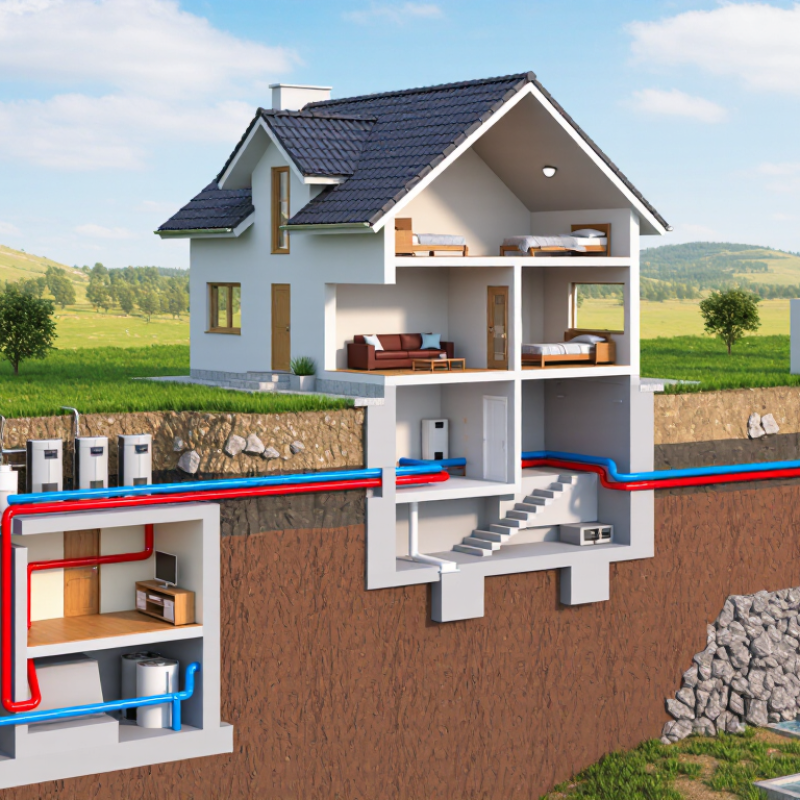
Choosing the right geothermal unit starts with the home, not the equipment brochure.
A load calculation estimates how much heat each room loses on the coldest design day. It considers floor area, insulation, windows, air leakage, ceiling height, and local weather data. Measure carefully. A drafty 1980s house may need far more capacity than a newer home of similar size. I have seen homeowners rely on square-foot rules. That shortcut often causes trouble.
An undersized unit may run continuously and still leave bedrooms chilly. An oversized unit can cycle too often, waste electricity, and control humidity poorly.
Ask a qualified HVAC professional for a room-by-room Manual J-style assessment, rather than a broad whole-house guess. They should inspect ductwork, thermostat locations, ventilation, and existing heating records. Utility bills can reveal patterns, but they are not a substitute for measured loads. A warm winter can mislead you.
Before selecting capacity, separate heating and cooling requirements. Your home may lose heat quickly but need modest cooling. Domestic hot-water demand can also affect system selection and operating schedules.
Ground-loop design matters too; soil conditions, available land, loop depth, and groundwater temperatures influence performance. Request the assumptions in writing. Check whether proposed capacity matches the calculated peak load, not a rounded contractor estimate.
Revisit insulation and air sealing first. Sometimes the best geothermal upgrade is a smaller unit after envelope improvements. Future renovations, unusual occupancy, and poorly balanced ducts can still change the result.
Compare Ground-Source Heat Pump Ratings: 3–6 COP and 20–30 EER
How to Choose the Right Geothermal Unit for Your Home?
Ground-source heat pumps are often compared through COP and EER ratings. COP measures heating efficiency. A COP of 3 means the unit delivers three units of heat for each unit of electricity used. Many residential systems range from 3 to 6 COP under specific laboratory conditions. Higher COP can reduce heating costs, but it usually comes with higher equipment or installation expenses.
EER measures cooling efficiency. Ratings around 20 to 30 EER indicate strong performance during cooling tests. However, these figures do not represent every home. Soil temperature, loop depth, indoor airflow, humidity, and duct quality can change real-world results. Ask for certified test data and the conditions behind each rating. A qualified installer should also complete a room-by-room heating and cooling load calculation.
Numbers need context.
During site evaluations, technicians often find that an oversized system performs less efficiently than expected. It may cycle frequently and remove less humidity. Poorly designed ground loops can create similar problems, even with excellent published ratings. I would not choose the highest COP or EER from a brochure alone. Compare seasonal performance, maintenance access, local ground conditions, and projected operating costs. A slightly lower-rated unit may perform better when correctly sized and installed. Your home’s insulation matters, too. That detail is easy to overlook.
How to Choose the Right Geothermal Unit for Your Home? - Compare Ground-Source Heat Pump Ratings: 3–6 COP and 20–30 EER
| Ground-Source System Type |
Typical Heating COP |
Typical Cooling EER |
Loop Configuration |
Typical Installation Conditions |
Key Advantages |
Important Considerations |
| Horizontal Closed-Loop Unit |
3.5–4.5 |
20–25 |
Polyethylene pipe installed in shallow trenches |
Suitable for homes with adequate land area and accessible soil |
Usually simpler excavation and potentially lower loop-installation cost |
Requires substantial yard space; performance can be affected by soil moisture and trench depth |
| Vertical Closed-Loop Unit |
3.8–5.0 |
21–27 |
One or more U-shaped boreholes drilled vertically |
Suitable for smaller lots or sites where horizontal excavation is limited |
Uses less surface area and provides relatively stable ground temperatures |
Drilling access, local geology, permits, and borehole cost must be evaluated |
| Open-Loop Water-Source Unit |
4.0–5.5 |
22–30 |
Groundwater is circulated through the heat exchanger and then discharged or returned |
Requires an appropriate, permitted groundwater source with suitable water quality |
Can deliver strong heat-transfer performance when water flow and temperature are favorable |
Water chemistry, filtration, discharge rules, well capacity, and maintenance are critical |
| High-Efficiency Two-Stage Unit |
4.2–5.5 |
23–29 |
Closed-loop or open-loop configuration with staged compressor operation |
Useful where comfort control and part-load operation are priorities |
Improved humidity control, quieter low-stage operation, and better efficiency at partial load |
Higher equipment cost; correct sizing and control setup are especially important |
| Variable-Capacity or Inverter Unit |
4.5–6.0 |
24–30 |
Usually paired with a properly designed closed-loop system |
Best suited to projects prioritizing high seasonal efficiency and precise capacity modulation |
Adjusts output to match demand, which may improve comfort and reduce cycling |
Higher upfront cost and greater control complexity; installation quality strongly affects results |
|
How to read the ratings: COP is the ratio of delivered heating energy to electrical energy used; a COP of 4.0 means approximately four units of heat are delivered for each unit of electricity consumed under the rated test condition. EER is the cooling output in Btu per hour divided by electrical input in watts; higher values indicate better rated cooling efficiency. Actual results vary with entering-water temperature, airflow, ground conditions, loop design, ductwork, climate, and equipment sizing. Always compare products tested under the same applicable standard and verify local installation requirements.
|
Select Open-Loop or Closed-Loop Systems by Site and Soil Conditions
How to Choose the Right Geothermal Unit for Your Home?
Choosing between open-loop and closed-loop geothermal systems begins with your site, not the equipment label. An open-loop system uses groundwater directly, so a reliable aquifer is essential. The water must also meet local discharge requirements.
Test for iron, acidity, sediment, and hardness. These details can quickly damage heat exchangers or reduce performance. A shallow well may look convenient, but seasonal water changes can make sizing uncertain.
Closed-loop systems circulate antifreeze through buried pipes. Horizontal trenches suit larger yards with workable soil and minimal rock. Vertical boreholes fit smaller lots, although drilling costs usually rise.
Dense, moist soil often transfers heat better than dry, loose soil. Still, soil maps cannot replace a site investigation. Groundwater movement, soil temperature, and rock layers matter.
The U.S. Department of Energy reports that geothermal heat pumps can be three to six times more energy efficient than conventional systems.
The U.S. Environmental Protection Agency also identifies ground-source systems as using roughly 25–50% less energy than comparable heating and cooling equipment. These figures describe properly designed installations, not every home. That distinction matters.
Ask a qualified designer to calculate heating and cooling loads, loop length, and pump energy. Request drilling records or a groundwater test before choosing open-loop. For closed-loop designs, confirm trench spacing or bore depth. I have seen attractive estimates fail because the loop field was undersized. A cheaper proposal is not always the safer choice.
Match Ground-Loop Capacity to Local Climate and Required Heating Tons
Choosing the right geothermal unit starts with your home’s heating load, not its floor area. A heat-loss calculation should reflect insulation, windows, ceiling height, air leakage, and your local winter design temperature. One heating ton equals about 12,000 BTU per hour, but the ground loop must support that capacity during cold periods. A 2.5-ton home in a harsh climate may need a larger loop than the same home in a mild region.
Ground conditions also change the design. Dense, moist soil usually transfers heat better than dry sand or fractured rock. Horizontal loops need more land, while vertical boreholes suit smaller lots but require careful drilling data. Loop length, pipe spacing, fluid temperature, and annual heating demand should match the selected unit. Oversizing may increase costs and cause inefficient cycling. Undersizing can leave rooms cold when January temperatures fall sharply.
Tips: Ask for the written heat-loss calculation and loop design. Check the local winter design temperature, soil report, and available land. Confirm whether supplemental heat is included. Do not accept “one ton per fixed number of square feet” as a final answer. The estimate can still be wrong, especially in older homes with hidden air leaks. Recheck assumptions after an energy audit, and compare the design with local installation records.
Verify ENERGY STAR Standards, Operating Costs, and Available Incentives
Choosing a geothermal unit starts with verifying its ENERGY STAR qualification, not trusting a sales brochure. Check the exact model in the official ENERGY STAR directory. Confirm its current heating and cooling efficiency ratings. Standards can change, and older equipment may no longer qualify.
Ask a qualified installer for a room-by-room load calculation. An oversized unit may cycle frequently and waste electricity. An undersized unit can rely heavily on backup heat during cold mornings. Request separate estimates for the heat pump, ground loop, drilling, ductwork, controls, and electrical upgrades. Include circulation-pump electricity and routine filter replacement. These small costs matter over fifteen years.
My first cost comparison would probably miss the loop installation. That is a costly oversight. Compare projected annual energy use with your present system, using local electricity rates. Ask how the estimate changes during extreme weather. Get maintenance terms in writing, including loop-fluid checks and emergency service. “Low operating cost” is not a guarantee.
Review available incentives through government energy offices and local utilities. Some programs require preapproval, approved contractors, income verification, or specific efficiency ratings. Others reduce taxes rather than providing immediate cash. Confirm deadlines before signing a contract. Keep invoices, certification records, permit documents, and payment evidence. A tax professional can clarify filing requirements. Incentive rules are easy to misunderstand, even for careful homeowners.