How to Choose the Best Geothermal Heat Pump System for Your Needs?
Choosing the right geothermal heat pump system is crucial for energy efficiency and comfort. The U.S. Department of Energy highlights that these systems can reduce energy bills by up to 70%. With rising energy costs, making an informed decision becomes essential.
Dr. Sarah Jennings, a leading expert in geothermal technology, notes, “Selecting the right system depends on site conditions and energy needs.” Her insight emphasizes the complexity of the selection process. Different properties require unique solutions, and one size does not fit all.
When evaluating options, consider factors like installation costs, maintenance requirements, and system size. Conduct thorough research and consult with certified professionals. Analyze your property’s geothermal potential to achieve efficiency and savings. In this evolving industry, reflecting on past choices can steer you toward the best geothermal heat pump system for your needs.
Understanding Geothermal Heat Pump Systems: A Comprehensive Overview
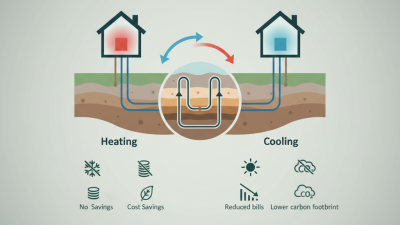
Geothermal heat pump systems are an efficient way to heat and cool buildings. These systems harness the Earth's constant underground temperature, allowing for significant energy savings. According to the U.S. Environmental Protection Agency, geothermal systems can reduce energy bills by 30-60%. This efficiency makes them appealing for both residential and commercial applications.
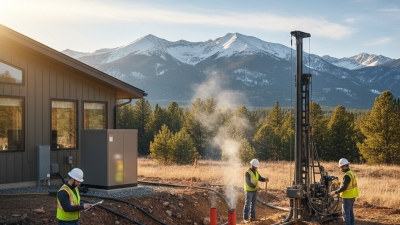
Choosing the right geothermal system requires understanding various factors. Ground conditions, local climate, and installation costs are pivotal. A detailed site evaluation is crucial. Borehole depth and the type of ground loop affect energy transfer efficiency. Some regions might not provide sufficient geothermal resources, leading to underperformance.
Consider these tips. Evaluate the layout of your property. A well-designed system should fit seamlessly into the landscape. Remember, not all installers have equal experience. Seek out certified professionals with a strong track record. Understanding the installation process can lead to better long-term satisfaction. Research local incentives, as many areas offer rebates for geothermal systems. These factors ensure you make the best decision for your specific needs.
Key Factors to Consider When Selecting a Geothermal Heat Pump System
When selecting a geothermal heat pump system, several key factors demand careful consideration. Understanding the heat load of your home is essential. This information helps ensure the system meets your heating and cooling requirements. According to the U.S. Department of Energy, properly sized systems deliver efficiency improvements of up to 30%. Inadequate sizing can lead to increased wear and reduced lifespan of the system.
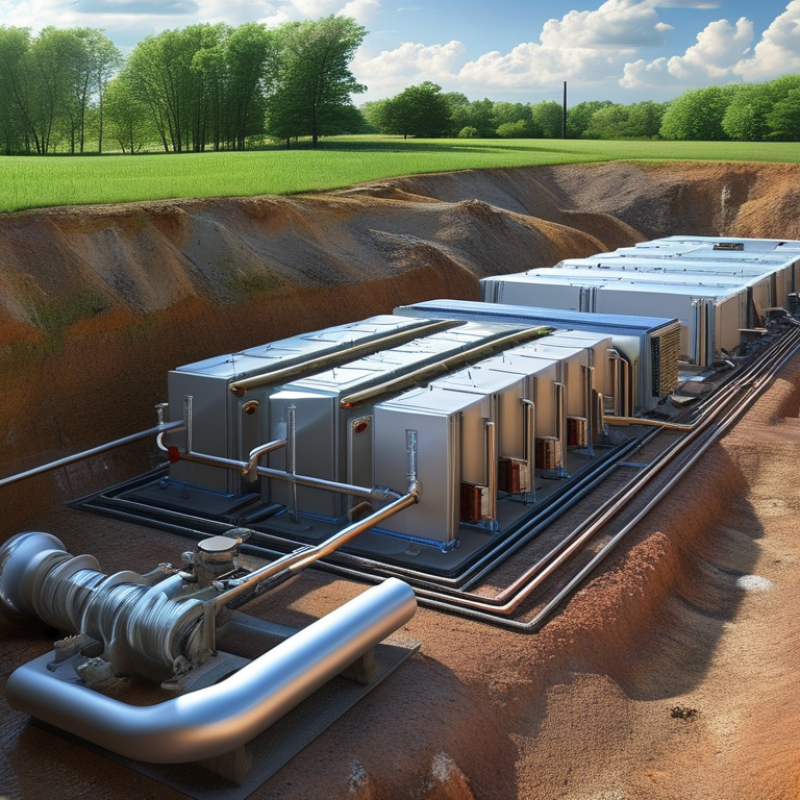
The installation type plays a critical role as well. Closed-loop systems are common, using a series of pipes buried in the ground. Open-loop systems, while efficient in certain conditions, require a reliable water source. A report from the Geothermal Exchange Organization highlights that ground conditions greatly influence system performance. Poor soil quality can lead to inefficiencies, urging a thorough site assessment before finalizing your choice.
Cost considerations extend beyond the upfront investment. While geothermal systems can cost more initially, they often result in lower energy bills over time. A study by the Rocky Mountain Institute noted energy savings can be anywhere from 20% to 50%. Maintenance costs are relatively low, but they should not be overlooked. Regular checks by a qualified technician can keep the system running efficiently and minimize unforeseen expenses.
Comparison of Key Factors in Geothermal Heat Pump Systems
Evaluating Efficiency Ratings: EER vs. COP in Heat Pumps
When evaluating geothermal heat pumps, understanding efficiency ratings is crucial. Two key metrics stand out: Energy Efficiency Ratio (EER) and Coefficient of Performance (COP). EER measures how efficiently a unit cools and is a good indicator for air conditioning systems. Higher EER values suggest more efficient cooling.
COP, on the other hand, is crucial for heating efficiency. It indicates the ratio of heating output to energy input. A COP of 4 means that for every unit of energy consumed, four units of heat are produced. This distinction can be confusing. Many consumers overlook COP when selecting systems that focus on heating, which might lead to poor performance in colder climates.
Both metrics serve different purposes but are essential for making informed decisions. Understanding the balance between EER and COP can lead to better energy savings. Reflecting on your climate needs will help tailor your system choice. A higher efficiency rating often comes at a higher initial cost. However, the long-term savings can justify the investment. Ensure you weigh upfront costs against potential savings before making a choice.
Assessing Installation Costs and Long-term Savings of Geothermal Systems
When considering geothermal heat pump systems, installation costs play a crucial role. These systems may require higher upfront investment compared to traditional heating methods. Factors like the size of the property, soil conditions, and the complexity of the installation affect these costs. It's important to get multiple quotes from qualified installers. This helps in comparing prices and avoiding potential overcharges. Paying attention to these details can minimize unexpected expenses during installation.
Long-term savings often outweigh initial costs. Geothermal systems can significantly reduce energy bills, as they utilize the Earth’s stable temperatures for heating and cooling. Homeowners may see savings of up to 70% on energy costs. However, these savings can take several years to accumulate fully. It’s essential to evaluate your local energy prices and usage patterns. This information helps in estimating how long it will take to break even on your investment. Reflecting on personal energy consumption can provide insights into potential savings. Understanding both installation costs and long-term benefits will aid in making informed choices.
How to Choose the Best Geothermal Heat Pump System for Your Needs? - Assessing Installation Costs and Long-term Savings of Geothermal Systems
| System Type |
Installation Cost ($) |
Estimated Annual Savings ($) |
Lifespan (Years) |
Efficiency Rating (HSPF) |
| Horizontal Loop |
$15,000 |
$1,200 |
25 |
15 |
| Vertical Loop |
$20,000 |
$1,500 |
30 |
16 |
| Pond Loop |
$12,000 |
$1,000 |
20 |
14 |
| Hybrid System |
$17,000 |
$1,300 |
25 |
15 |
Environmental Impact of Geothermal Heat Pumps: Sustainability Benefits
Geothermal heat pumps are a sustainable choice for heating and cooling. Their minimal environmental impact makes them appealing. According to the U.S. Department of Energy, geothermal systems can reduce energy consumption by 30% to 60%. This translates to fewer carbon emissions compared to conventional systems. Utilizing the Earth’s natural heat helps lower your carbon footprint.
The installation of a geothermal heat pump can lead to significant long-term savings. However, the initial investment may deter some homeowners. A report from the Geothermal Energy Association indicates that while installation costs vary, the average payback period is around five to seven years. It's essential to weigh these costs against potential energy savings and the positive environmental effects.
Additionally, geothermal systems promote sustainability through reduced reliance on fossil fuels. They utilize renewable energy, which contributes to energy security. However, land usage and potential ecological disruption during installation must be carefully considered. Each site presents unique challenges that could impact local ecosystems. Understanding these factors is vital for responsible decision-making.