How to Choose a Geothermal Heating System?

Choosing a geothermal heating system is not simply a matter of comparing equipment prices. The right choice depends on climate, soil conditions, available land, insulation, and household heating demand. A system that performs efficiently on a spacious rural property may be impractical beside a compact urban home. That difference matters.

Geothermal heating transfers stable underground energy into your home through buried loops and a heat pump. Horizontal loops need open ground, while vertical loops suit smaller sites but usually cost more to install. Water quality, drilling access, local permits, and the building’s existing radiators also influence the decision. An experienced installer should calculate heat loss room by room, inspect the site, and explain expected seasonal performance. Ask for documented installation experience, maintenance requirements, warranty terms, and references from comparable properties. Vague savings promises deserve caution.

The most efficient unit cannot compensate for poor insulation or incorrect sizing. It may sound obvious. Yet this mistake still occurs. A trustworthy assessment should compare installation costs, electricity use, service life, noise levels, and available financial incentives. Independent guidance can help, but regional rules and incentives change, so current confirmation is essential. This guide examines each factor clearly, while acknowledging an uncomfortable reality: geothermal systems are not universally economical. Careful planning, qualified workmanship, and realistic expectations provide the strongest foundation for a reliable long-term investment.
How to Choose a Geothermal Heating System?

Understanding How Geothermal Heating Systems Work

How to Choose a Geothermal Heating System?

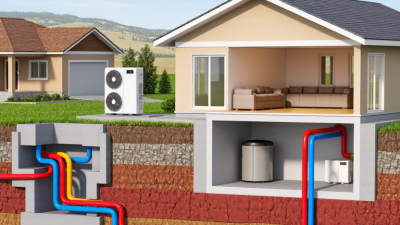
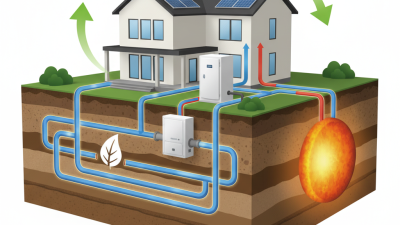
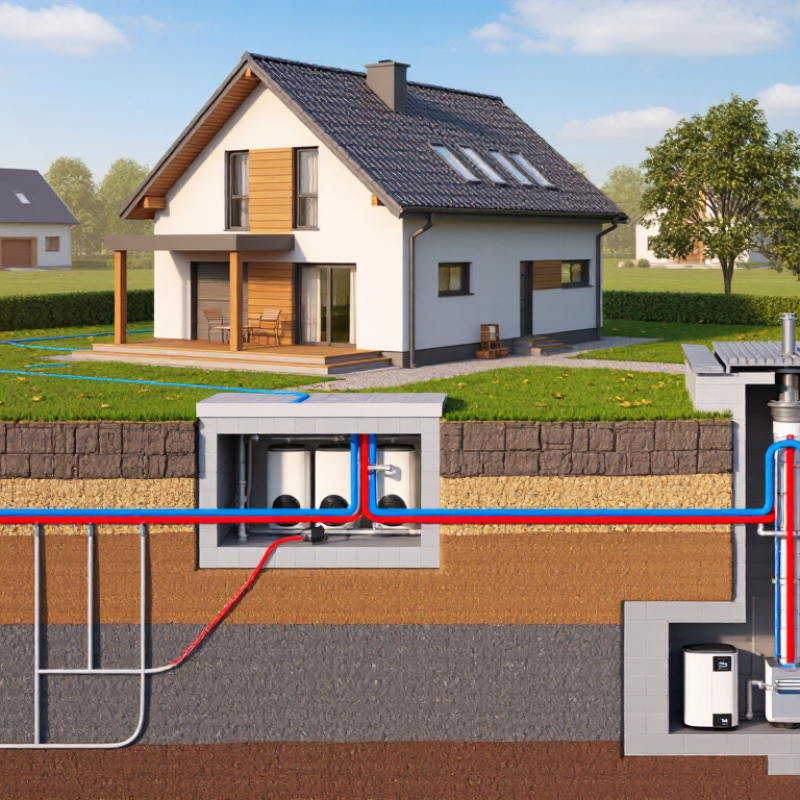
A geothermal heating system moves heat instead of creating it. During winter, buried pipes collect low-temperature heat from the ground. A heat pump then raises that heat to a comfortable indoor level. In summer, the process reverses. The system removes indoor heat and releases it underground. The ground stays more stable than outdoor air, which supports steady performance. Closed-loop systems circulate water and antifreeze through underground piping. Open-loop systems use groundwater, where regulations permit. The design choice depends on soil conditions, land area, water quality, and local requirements.

Tips: Ask for a room-by-room heat-loss calculation. Do not accept sizing based only on floor area. Request details about loop depth, pipe material, pump capacity, and backup heating. A qualified installer should inspect drainage, soil, and electrical capacity. Keep written performance estimates. They make later decisions less confusing.

The most expensive mistake is often poor design, not the equipment itself. An oversized heat pump may cycle too frequently. An undersized loop may struggle during extreme weather. I once assumed stable ground temperatures meant identical results everywhere. That assumption needs correction. Rock, wet soil, and dry soil transfer heat differently. Household habits matter too. Frequent door opening, weak insulation, or blocked airflow can reduce comfort. Check maintenance access before installation. A quiet mechanical room is useful, but service access matters more. Good technical advice should explain these trade-offs clearly, not promise effortless savings.

Assessing Your Property’s Heating Needs and Ground Conditions

Choosing a geothermal heating system starts with the building, not the equipment. A qualified designer should calculate heat loss room by room, using insulation, window area, air leakage, ceiling height, and local winter temperatures. A large floor area does not automatically mean a large system. Measure the house.

The U.S. Department of Energy reports that geothermal heat pumps can use 25–50% less electricity for heating and cooling than conventional systems. That potential depends on correct sizing and installation. Oversizing can increase costs and cause short cycling. Undersizing may leave bedrooms cold during severe weather. A Manual J-style load calculation provides a stronger basis than a simple square-foot estimate. That shortcut is tempting, but it can mislead.

Ground conditions decide whether the loop field will perform reliably. Soil type, moisture, thermal conductivity, available land, drilling access, groundwater, and local geology all matter. The 2023 ASHRAE Handbook explains that ground-loop design must reflect site-specific thermal properties and annual building loads.

The International Ground Source Heat Pump Association also emphasizes proper testing and loop sizing before construction. Dry gravel usually transfers heat differently from moist clay. Soil is not uniform. A thermal response test can reduce uncertainty for larger projects, although it adds time and cost.

I would also review future landscaping, drainage, and utility locations before choosing horizontal or vertical loops. That detail is easy to overlook. Geological assumptions should be checked, not trusted blindly.

Comparing Geothermal System Types and Installation Options

Choosing a geothermal heating system starts with the property, not the equipment. Ground conditions, available space, and heating demand determine the best option. A horizontal closed loop needs broad land and shallow trenches. It usually suits new homes with open yards. A vertical closed loop uses drilled boreholes, making it practical for compact lots. Drilling costs more, but it reduces surface disruption.

An open-loop system uses groundwater directly, then returns it through an approved discharge route. It can perform efficiently, but water quality, flow, and local permits require careful investigation. Closed-loop systems circulate antifreeze through buried pipes and often offer more predictable operation. No design is perfect. Poor soil data can lead to undersized loops, higher electricity use, and disappointing comfort.

Installation choices also affect daily performance. Hydronic floor heating delivers steady warmth through low-temperature water. Existing homes may need fan-coil units or compatible radiators instead. A professional installer should complete a room-by-room heat-loss calculation, inspect drainage, and confirm drilling access. Ask for loop-depth records and commissioning results. A neat installation is not automatically a good one. Small details matter, such as insulated pipe entries, condensate drainage, and balanced indoor airflow. I would compare lifecycle cost, maintenance access, and expected operating conditions rather than choosing from the lowest installation quote.

How to Choose a Geothermal Heating System?

Comparing geothermal system types and installation options by typical installed cost for a residential system.

How to read this chart: Vertical closed-loop systems usually cost more because they require drilling, while horizontal, pond/lake, and open-loop systems may cost less when suitable land or groundwater is available. Actual costs depend on soil conditions, drilling depth, system capacity, site access, permits, and local labor rates.

Evaluating Efficiency, Costs, Maintenance, and Environmental Benefits

Choosing a geothermal heating system starts with your site, not a sales brochure. A qualified designer should assess soil conditions, ground temperature, available land, and household heat demand. Closed-loop systems usually offer stable performance, while drilling can raise installation costs. Efficiency is often measured by coefficient of performance, or COP. A higher COP can reduce electricity use, but actual results depend on insulation, controls, and local climate.

Initial costs may include drilling, excavation, indoor equipment, permits, and electrical upgrades. Request an itemized estimate with projected maintenance and replacement costs. The cheapest proposal may omit difficult soil work. Operating expenses are usually predictable, yet savings depend on electricity prices and system sizing. An oversized unit may cycle frequently and waste energy. That detail is easy to miss. Ask for load calculations based on measured building conditions, not rough floor-area estimates. An experienced installer should explain warranty terms, water quality concerns, loop protection, and safe refrigerant handling.

Tips: Compare seasonal efficiency, not only peak COP. Inspect the installer’s training, references, and maintenance process. Keep air filters clean and schedule professional checks according to the manufacturer’s requirements. Renewable electricity can improve environmental benefits, but drilling and piping still use materials. Consider the system’s full life cycle. No estimate is perfect. Soil data may be limited, and future electricity prices remain uncertain. Get at least three technically detailed proposals before choosing.

How to Choose a Geothermal Heating System? - Evaluating Efficiency, Costs, Maintenance, and Environmental Benefits

Evaluation Dimension Typical Range or Standard What It Means for Homeowners Selection Guidance
Heating Efficiency Seasonal heating COP commonly ranges from about 3.0 to 5.0. A COP of 4.0 can deliver approximately four units of heat for every unit of electricity consumed. Compare certified heating COP and seasonal performance rather than relying only on the maximum rated value.
Cooling Efficiency Cooling efficiency is commonly reported as EER or SEER; higher values indicate lower electricity use. A ground-source system can use the relatively stable ground temperature as a heat sink during summer. Choose a system with cooling performance suitable for the local climate and household cooling demand.
System Configuration Closed-loop horizontal, closed-loop vertical, and open-loop designs are commonly used. The best configuration depends on land area, drilling conditions, groundwater quality, and local regulations. Use horizontal loops where sufficient land is available; consider vertical loops for smaller lots or limited yard space.
Typical Residential Installation Cost Approximately US$12,000–US$30,000 for many residential projects, before incentives; complex sites may cost more. Upfront costs are generally higher than those of conventional air-source systems because ground-loop work is required. Obtain itemized bids covering drilling or trenching, permits, ductwork, electrical work, controls, and commissioning.
Operating Cost Often lower than electric resistance heating and may be competitive with fossil-fuel systems, depending on energy prices. Actual savings depend on electricity and fuel prices, insulation, thermostat settings, climate, and system sizing. Request a projected annual energy-use estimate based on the home's measured or calculated heating load.
Maintenance Requirements Routine checks are commonly recommended once a year or according to the installer’s service schedule. Maintenance typically includes filter replacement, airflow inspection, condensate checks, and performance testing. Confirm local service availability and ask whether loop-fluid, pump, or water-quality inspections are required.
Expected Service Life Indoor heat-pump equipment commonly lasts about 20–25 years; properly installed ground loops can last 50 years or longer. The ground loop is a long-term asset, while the compressor and indoor components may eventually require replacement. Review separate warranties for indoor equipment, circulation pumps, and underground loop piping.
Space and Site Requirements Horizontal systems require substantial open ground; vertical systems require less surface area but need drilling access. Trees, utilities, rock, property boundaries, drainage, and future construction can affect loop placement. Complete a site survey before selecting the loop type or finalizing the system capacity.
Environmental Benefits No onsite combustion; lifecycle emissions vary with the electricity generation mix. High efficiency can reduce energy consumption and emissions, especially when electricity comes from low-carbon sources. Evaluate local grid emissions, refrigerant type, electricity demand, and the possibility of renewable electricity.
Noise and Comfort Ground-source systems generally avoid the outdoor fan noise associated with air-source outdoor units. Steady ground temperatures can support consistent heating and cooling performance. Check indoor sound ratings, duct design, airflow balance, and the system’s low-temperature operating strategy.
Sizing and Design Quality Capacity should be based on a room-by-room heat-loss and heat-gain calculation, not floor area alone. Oversizing can increase cycling and cost, while undersizing may require supplemental heat. Require documented load calculations, loop design details, commissioning results, and emergency heat information.

Note: Costs and performance ranges are general residential estimates and vary by climate, property conditions, labor rates, system capacity, electricity prices, and local regulations. Actual results should be based on a professional site assessment and heat-load calculation.

Selecting a Qualified Installer and Planning the Installation

Choosing a geothermal heating system requires more than comparing equipment sizes. The installer’s experience can determine comfort, efficiency, and long-term repair costs. Look for licensed professionals with documented geothermal projects, relevant training, and strong local references. Ask to inspect completed installations, not only online reviews. A qualified installer should explain soil conditions, drilling limits, loop options, and expected operating costs in clear language.

The planning visit should include a heat-loss calculation for every room. Oversized systems may cycle too often, while undersized systems can struggle during extreme weather. The installer should examine insulation, windows, ductwork, electrical capacity, drainage, and available land. Request a written design showing loop depth, pipe materials, indoor equipment, excavation access, permits, schedule, and warranty responsibilities. Vague promises deserve caution.

Tips: Ask for at least three detailed proposals. Confirm who handles permits and inspections. Keep soil reports and test results. Discuss noise near bedrooms. Clarify restoration plans for lawns, paving, or gardens. A site may look simple but hide rock, groundwater, or restricted access. I once underestimated the importance of delivery space; a narrow gate delayed equipment placement. That mistake was avoidable. Leave room in the schedule for weather and unexpected ground conditions. Need help? Use an independent energy assessor to review the design before signing.