What is Heat Pump Technology and How Does It Work?
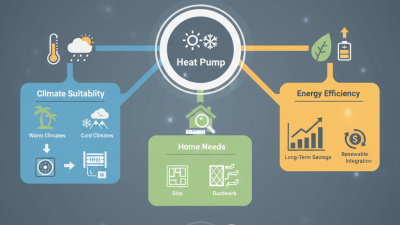
Heat pump technology represents a significant advancement in energy efficiency and sustainability. This innovative system is designed to transfer heat rather than generate it, making it an eco-friendly solution for heating and cooling. Understanding how heat pump technology works can enhance our approach to energy consumption in homes and businesses.
The system operates by extracting heat from external sources, even in cold conditions. This process may seem counterintuitive; however, it is grounded in the principles of thermodynamics. Heat pumps use refrigerants to absorb and release heat, creating a versatile climate control system.
Despite its benefits, heat pump technology is not without challenges. Regional differences in climate can affect performance. Additionally, the initial installation costs may deter some. It is crucial to weigh these factors when considering whether heat pumps are the right choice for your needs. As energy costs rise and climate concerns grow, understanding heat pump technology becomes essential for sustainable living.

What is Heat Pump Technology? An Overview of Its Principles and Applications
Heat pump technology is an innovative approach to heating and cooling. At its core, it transfers heat instead of generating it. This technology operates using a refrigeration cycle. In winter, it extracts heat from the outside air, even when it feels chilly. In summer, the process reverses, pulling warm air indoors and releasing it outside.
Many people are curious about heat pumps for their energy efficiency. They can significantly reduce energy costs compared to traditional heating methods. However, the initial installation can be costly. Users must weigh these factors. Maintenance is crucial for optimal performance, and many overlook this aspect.
The versatility of heat pumps makes them suitable for various applications. They can heat or cool homes, schools, and even industrial spaces. Nonetheless, not all regions benefit equally from this technology. Performance can vary based on climate. Some regions may experience decreased efficiency in extreme temperatures. This potential drawback prompts reflection on how to adapt heat pump technology effectively across diverse environments.
Key Components of Heat Pump Systems: Understanding Their Functions and Roles
Heat pump systems consist of several key components that work together to efficiently transfer heat. At the core of these systems is the compressor. This component increases the pressure of the refrigerant gas, causing it to heat up. The heated gas then moves to the condenser. Here, it releases heat to the surrounding environment, whether for heating a home or supplying hot water. This transformation involves complex thermodynamic principles.
The expansion valve is another integral part of heat pumps. It regulates the flow of refrigerant into the evaporator. The evaporator plays a vital role in absorbing heat from the outside air or ground. Here, the refrigerant evaporates, absorbing heat in the process. This cycle is essential to the overall efficiency of the system. While heat pumps are effective, their performance can vary based on outside temperatures, insulation quality, and maintenance practices. Regular checks can enhance efficiency, but not all users prioritize this, leading to potential performance drops.
The Science Behind Heat Pumps: How They Transfer and Manage Heat Energy
Heat pump technology operates on fundamental principles of thermodynamics. It efficiently transfers heat energy from one place to another. In winter, it extracts heat from the outside air or ground and transfers it indoors, providing warmth. In the summer, the process reverses. It removes heat from indoor air and discharges it outside, cooling your space.
Heat pumps utilize refrigerants to facilitate heat transfer. These fluids absorb heat at low temperatures and release it at higher temperatures. A compressor increases the pressure and temperature of the refrigerant, enabling the heat transfer process. Condensers and evaporators play key roles in this cycle. Each component must function effectively for optimal performance.
Despite their advantages, heat pumps have limitations. For instance, their efficiency declines in extremely cold temperatures. Users may need supplementary heating systems in severe climates. Moreover, the initial installation costs can be significant. It's crucial to weigh these factors when considering heat pump systems for your home or building.
Heat Pump Technology Data Table
| Parameter |
Description |
Value |
| Coefficient of Performance (COP) |
Efficiency ratio of a heat pump |
3.0 - 5.0 |
| Heating Capacity |
Maximum heat output |
5 kW - 20 kW |
| Refrigerant Types |
Substances used in heat transfer |
R-410A, R-32, R-134A |
| Operating Temperature Range |
Temperature limits for effective operation |
-25°C to 45°C |
| Typical Lifespan |
Average duration before replacement |
15 - 20 years |
| Energy Source |
Type of energy used to operate the pump |
Electricity |
| Uses |
Applications of heat pumps |
Heating, cooling, hot water |
Energy Efficiency in Heat Pumps: Analyzing Performance Metrics and Ratings
Heat pump technology has gained traction in recent years due to its potential for energy efficiency. According to the U.S. Department of Energy, heat pumps can deliver up to three times more heating energy than the electrical energy they consume. This impressive efficiency is measured through the Heating Seasonal Performance Factor (HSPF) and Coefficient of Performance (COP). These metrics indicate that higher ratings often correlate with lower energy costs over time.
When selecting a heat pump, consider its performance metrics critically. A heat pump with an HSPF rating above 8 is generally efficient. The Energy Efficiency Ratio (EER) provides another useful measure of performance, especially in cooling mode. Rigidly adhering to a single metric can be misleading. Balancing both heating and cooling capacities yields a clearer picture of overall efficiency.
One quick strategy to enhance the performance of your heat pump is to regularly maintain it. Dust and debris can block airflow. This impacts overall efficiency, potentially increasing energy bills. Another common oversight is neglecting to consider the climate zone in which the heat pump operates. Choosing a unit optimized for your specific environment is vital for achieving optimal performance. By understanding these factors, you can make a more informed choice in your heat pump investment.
Future Trends in Heat Pump Technology: Innovations and Market Projections
Heat pump technology is evolving rapidly. New innovations aim to increase energy efficiency and reduce carbon footprints. Industry experts predict significant growth in the heat pump market over the next decade. With increasing focus on sustainability, heat pumps are becoming more popular as an alternative to traditional heating systems.
Advanced heat pump models now incorporate smart technology. They can adjust settings based on weather patterns and user preferences. This not only saves energy but also enhances user comfort. Additionally, hybrid systems that combine heat pumps with other energy sources are gaining traction. These systems provide both heating and cooling while ensuring effective energy use.
Tips: Consider regular maintenance to keep your heat pump running efficiently. Checking filters and cleaning coils can prevent system breakdowns.
As the market for heat pumps grows, consumer awareness is key. Many potential users remain unaware of the benefits of heat pump technology. Educational initiatives can help bridge this gap. Manufacturers and retailers need to communicate the advantages effectively.
Tips: Research local incentives for heat pump installations. Many areas offer rebates or tax credits to encourage energy-efficient upgrades.
Heat Pump Technology: Market Growth Projections (2023-2028)
The chart above illustrates the projected growth of the heat pump market from 2023 to 2028, indicating a significant increase in market size driven by technological advancements and rising energy efficiency awareness.