Top 10 Benefits of Using a Geothermal Pump for Your Home?
Geothermal pumps are increasingly recognized for their efficiency and environmental benefits. These systems harness the Earth's natural heat, providing an eco-friendly heating and cooling solution for homes. Homeowners are turning to geothermal pumps to reduce energy costs and promote sustainability.
The popularity of geothermal pumps grows with concerns about climate change and energy consumption. These systems can cut heating and cooling bills significantly, creating lasting financial benefits. However, installation might require a higher upfront investment compared to traditional systems. This factor can deter some homeowners, despite the long-term savings.
Many people find the concept of geothermal energy daunting. Understanding how these pumps function can help alleviate concerns. Overall, adopting a geothermal pump can enhance home comfort while benefiting the planet. Embracing this technology brings a responsible choice for energy-efficient living.
Overview of Geothermal Pumps and Their Functionality
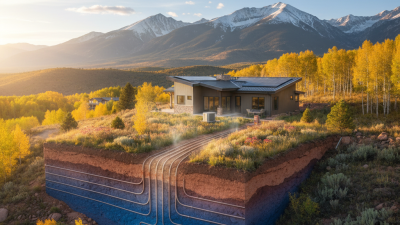
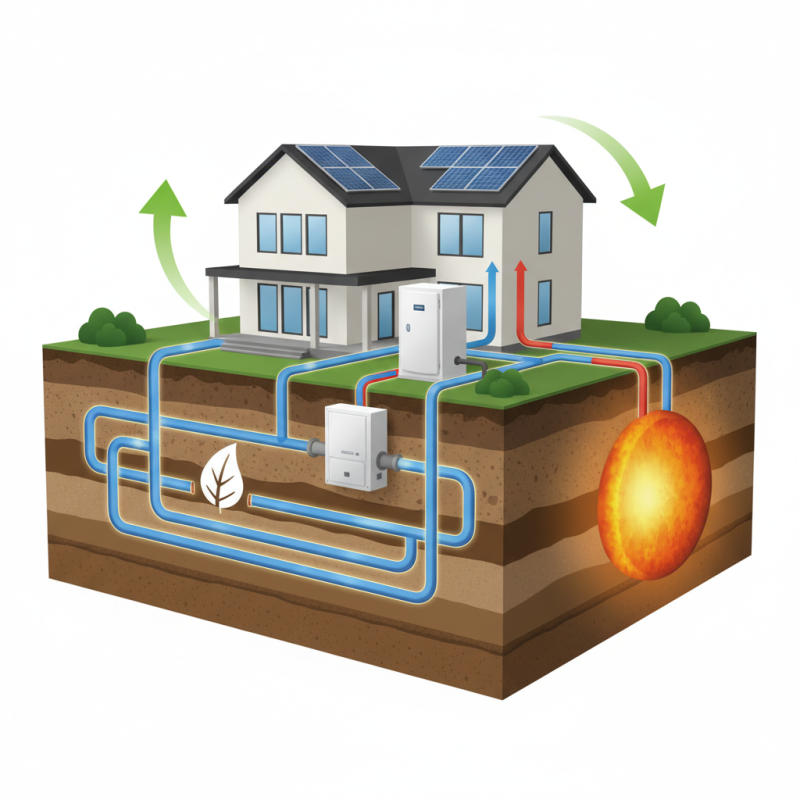
Geothermal pumps are innovative systems designed to harness the Earth's natural heat. They utilize a loop system buried underground to extract thermal energy. This makes them incredibly efficient for both heating and cooling homes. As the Earth’s temperature stays relatively constant, these pumps can significantly reduce energy consumption compared to traditional heating methods.
The functionality of a geothermal pump depends on three main components: the ground loop, the heat pump unit, and the distribution system. The ground loop is usually made of high-density polyethylene pipes. These pipes circulate a fluid that absorbs heat from the ground during winter. In summer, the process reverses. The heat from your home transfers back into the ground, maintaining a comfortable indoor climate.
While geothermal pumps offer numerous advantages, they can require substantial upfront installation costs. Not all homes are suited for these systems, as geographical and soil conditions can impact efficiency. However, many homeowners find the investment pays off in reduced utility bills and enhanced comfort over time. It’s essential to evaluate whether this technology fits your specific needs and circumstances.
Energy Efficiency of Geothermal Heating and Cooling Systems
Geothermal heating and cooling systems stand out in energy efficiency. According to the U.S. Environmental Protection Agency, these systems can reduce energy use by 30-60%. They do this by leveraging the earth's stable temperature, making them excellent for both heating and cooling.
Geothermal pumps utilize underground pipes filled with a fluid. This fluid absorbs heat from the ground during winter and releases it when cooling in summer. The efficiency of this method significantly lowers utility bills, as noted by the U.S. Department of Energy. A geothermal system can save homeowners up to $1,500 annually in energy costs.
However, the initial installation costs can be higher than conventional systems. The return on investment may take several years, creating a barrier for some homeowners. Despite this, the long-term savings and environmental benefits are noteworthy. Sustainable energy sources are essential in today’s climate-conscious world. It's important to weigh both financial and ecological aspects when considering geothermal energy solutions.
Top 10 Benefits of Using a Geothermal Pump for Your Home
Long-term Cost Savings Associated with Geothermal Pump Installation
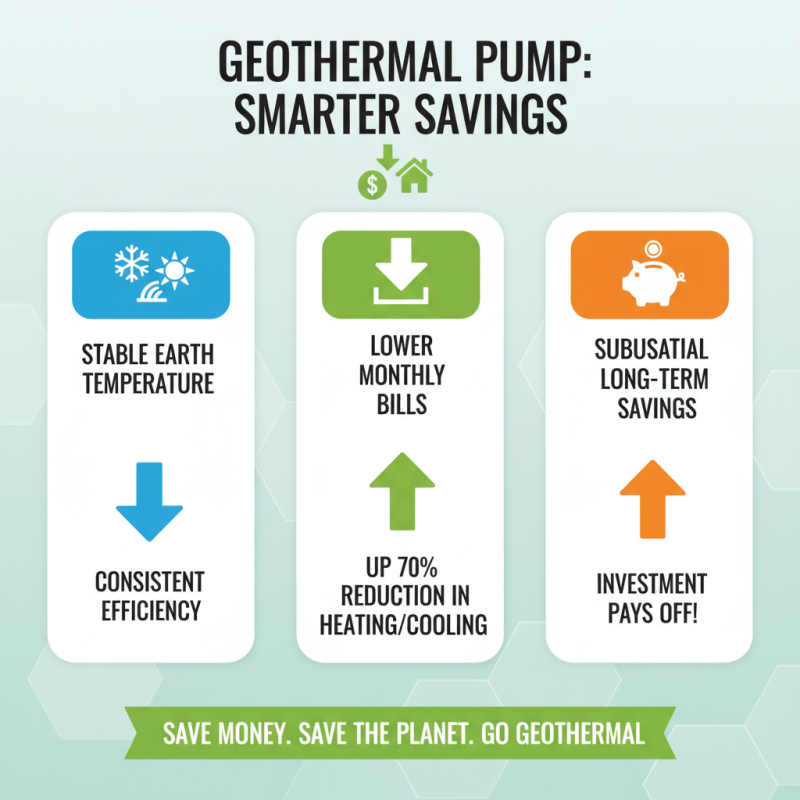
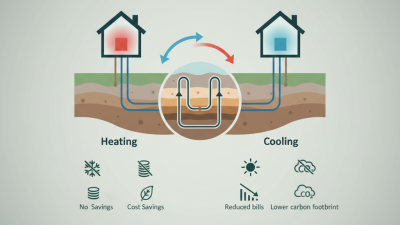
Installing a geothermal pump can result in significant long-term cost savings for homeowners. Unlike traditional heating and cooling systems, geothermal pumps use the Earth’s stable temperature for efficiency. This can lead to lower monthly energy bills. Homeowners often see reductions of up to 70% in heating and cooling costs. That’s a considerable saving over time.
The initial installation may be pricey. However, the investment pays off in the long run. Many homeowners recoup their costs within a few years. Maintenance requirements for geothermal systems are lower compared to standard HVAC systems. This can further reduce expenses.
Despite the benefits, it's essential to consider local regulations and site suitability. Not all homes are ideal candidates for geothermal systems. Homeowners should consult with professionals to assess viability. Sometimes, the expected performance may not align with reality. While geothermal systems are generally reliable, there can be unexpected maintenance issues. Being aware of these factors can help homeowners make informed decisions.
Environmental Benefits of Using Geothermal Technology in Homes
Geothermal technology offers substantial environmental benefits for homeowners. It utilizes the Earth’s natural heat, making it a sustainable choice. By tapping into consistent underground temperatures, geothermal systems significantly reduce greenhouse gas emissions. This method decreases reliance on fossil fuels and lowers your carbon footprint. Such efficiency leads to cleaner air quality in your local environment.
Installation of a geothermal pump may seem complex. However, these systems promote energy conservation. They use less electricity compared to traditional heating and cooling systems. The long lifespan of geothermal units also contributes to sustainability. With proper maintenance, they can last over 25 years. This longevity means reduced waste and less frequent replacements.
While geothermal energy has remarkable benefits, challenges do exist. The initial installation cost can be high. Homeowners must also evaluate their land suitability for these systems. Drilling for ground loops can be invasive. Despite these concerns, the long-term energy savings and environmental health improvements often outweigh the drawbacks. Embracing geothermal energy provides a path to a more sustainable life.
Top 10 Benefits of Using a Geothermal Pump for Your Home
| Benefit |
Description |
Environmental Impact |
| Energy Efficiency |
Reduces energy consumption by utilizing stable ground temperatures. |
Decreases carbon footprint. |
| Sustainability |
Uses renewable energy from the earth. |
Promotes long-term sustainability of energy resources. |
| Low Operating Costs |
Lower bills due to high efficiency. |
Encourages less reliance on fossil fuels. |
| Longevity |
Systems can last over 25 years with minimal maintenance. |
Reduces waste from system replacements. |
| Noise Reduction |
Very quiet operation compared to traditional HVAC systems. |
Less noise pollution in residential areas. |
| Space Savings |
Can be installed in small spaces with minimal disruption. |
Preserves land for natural habitats. |
| Increased Home Value |
Geothermal systems can enhance property value. |
Encourages more energy-efficient home market. |
| Heating and Cooling |
Provides both heating and cooling year-round. |
Reduces energy consumption across seasons. |
| Low Emissions |
Significantly lower greenhouse gas emissions. |
Improves air quality and public health. |
| Government Incentives |
Many regions offer incentives for installation. |
Promotes the adoption of renewable energy technologies. |
Low Maintenance Requirements for Geothermal Pump Systems
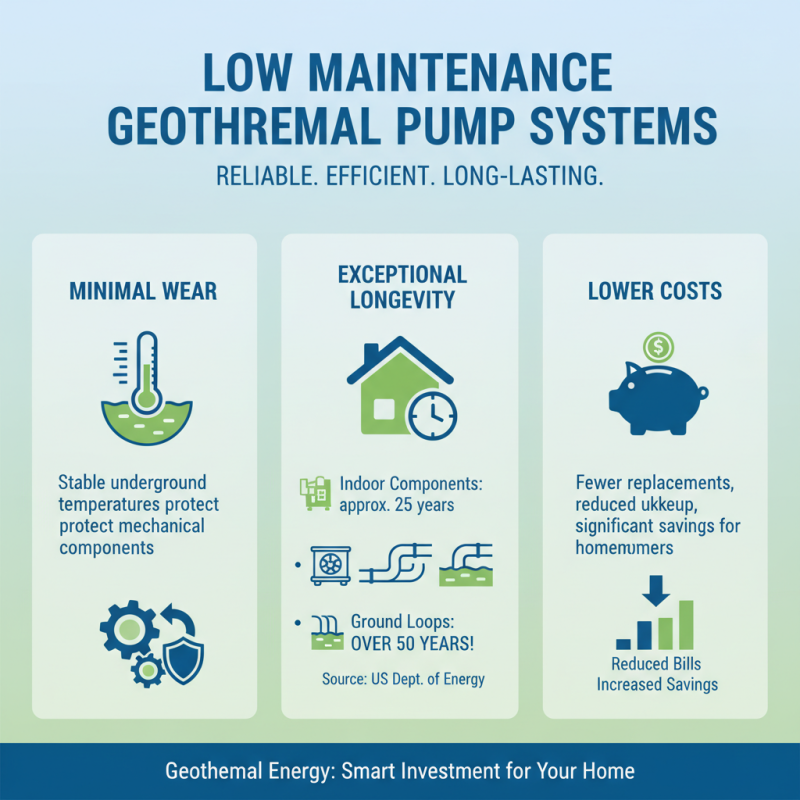
Geothermal pump systems are known for their low maintenance requirements. These systems rely on the stable temperatures underground, which reduces the wear on mechanical components. According to the U.S. Department of Energy, geothermal systems can last around 25 years for indoor components and over 50 years for ground loops. This longevity results in fewer replacements and lower overall costs for homeowners.
Routine inspections are typically sufficient to keep these systems running efficiently. The only regular task required is to change the air filter and check fluid levels. Reports from the International Ground Source Heat Pump Association indicate that annual maintenance needs could be as low as two hours for many systems. This minimal upkeep gives homeowners peace of mind, allowing them to focus on other priorities rather than constant repairs.
While geothermal systems are durable, there can still be unexpected challenges. For example, ground loop installation may cause temporary disruptions in landscaping. Additionally, if not properly designed, systems can underperform in extreme weather conditions. Homeowners should weigh these factors carefully before installation. Despite these potential drawbacks, the benefits of low maintenance and superior energy efficiency often outweigh the challenges.