2026 Best Heat Pump Boiler for Global Buyers?
Choosing the best heat pump boiler for global buyers requires more than comparing heating capacity and purchase prices. Climate, building design, electricity costs, water temperature, and local service networks can change the result. A system that performs well in a mild coastal home may struggle during a severe inland winter. Real performance depends on installation quality, controls, insulation, and daily usage.
This guide examines leading heat pump boiler options through practical buying criteria. These include seasonal efficiency, low-temperature operation, noise levels, refrigerant selection, hot-water recovery, warranty coverage, and maintenance access. It also considers recognized testing methods, regional certification requirements, and manufacturer documentation. Experienced installers often provide the most valuable evidence, especially when they explain actual winter output instead of repeating laboratory claims.
Small details matter.
For example, a quiet outdoor unit may still disturb a bedroom if airflow is poorly planned. A compact model may fit a narrow utility room but require expensive electrical upgrades. Buyers should also check whether replacement parts are available locally and whether technicians understand the specific controls. These points are easy to overlook.
The recommendations remain careful rather than absolute. Product data can change, and published efficiency figures may not reflect every household. Some conclusions may need revision when tariffs, regulations, or refrigerant policies change. Independent verification remains important. By combining technical specifications, installer experience, ownership costs, and regional suitability, global buyers can make a more reliable decision for 2026.
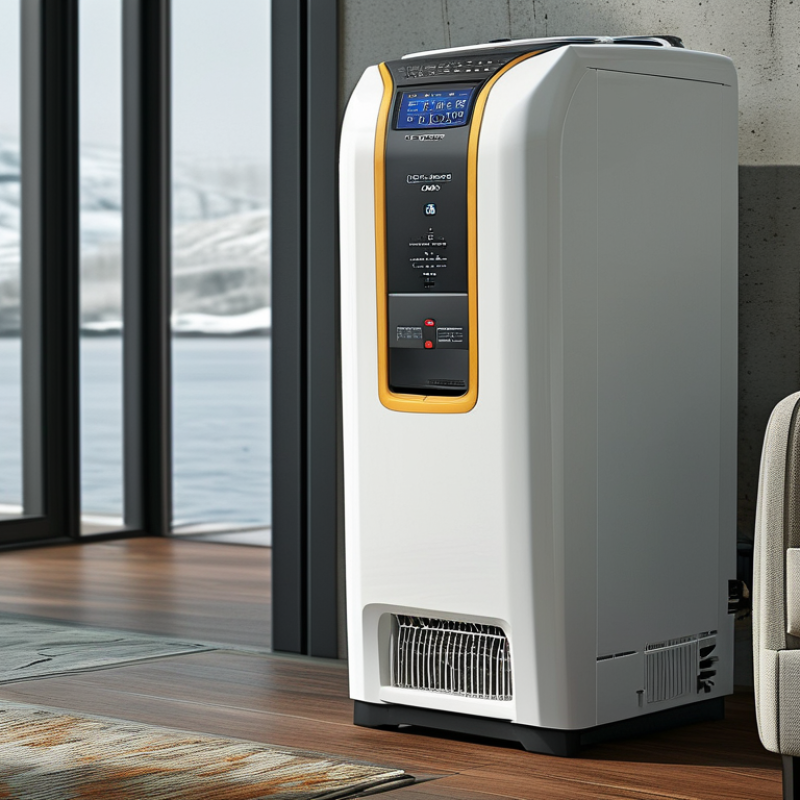
Define Heat Pump Boilers: COP 3–5 and 60–75°C Water Output
For global buyers, a heat pump boiler is an electric heating system that transfers heat, rather than burning fuel. It can heat water for radiators, showers, and process use.
The key figure is COP, or coefficient of performance. A COP of 3 means one kilowatt-hour of electricity produces three kilowatt-hours of heat.
The International Energy Agency states that heat pumps commonly deliver three to five times more heating energy than their electricity use.
However, COP 3–5 is not a permanent field result. It usually reflects specific outdoor temperatures and water settings.
Higher water temperatures demand more compressor work. Many modern systems can supply 60–75°C water, supporting older radiators and hygiene requirements.
Performance often falls during frost, defrost cycles, or poor hydraulic balancing. Real sites are messier.
The U.S. Department of Energy reports that properly installed heat pumps can provide two to four units of heating for each unit of electricity.
EN 14511 testing helps compare equipment under controlled conditions, but it cannot reproduce every building.
Buyers should request COP data at 7°C, 2°C, and -7°C, plus output at 60°C and 75°C.
Seasonal performance matters more than one impressive laboratory number. I would also check noise, backup heating, refrigerant rules, installer training, and local grid capacity.
A COP of 5 is attractive. It is not guaranteed.
Compare 2026 Models by SPF, Capacity, Noise, and −15°C Output
The best heat pump boiler for 2026 depends on measured performance, not showroom claims. Compare SPF, usable capacity, noise, and output at −15°C under the same test conditions. SPF shows seasonal efficiency across changing outdoor temperatures, while a high rating can fall sharply in a poorly insulated building. Numbers need context.
Capacity should match the building’s heat loss at design temperature, not its floor area alone. A 10 kW unit may deliver less during defrost cycles or severe cold. Check the certified output at −15°C, leaving enough reserve for wind exposure and domestic hot water demand. Cold changes everything. Oversizing can also cause short cycling, lower efficiency, and uncomfortable temperature swings.
Noise requires more than one decibel figure. Compare sound power and sound pressure, then inspect night-mode limits at the planned distance. A unit rated at 42 dB(A) may sound louder beside a bedroom wall than in a test yard. Installation quality matters: rigid mounts, pipe vibration, and defrost water can affect real comfort. I would also verify test certificates, refrigerant information, warranty conditions, and local installer competence. Manufacturer data is useful, but it is not the whole story. Regional climates differ, and published SPF values may not reflect your tariff, controls, or radiator temperature. A careful comparison should record every assumption before ranking models.
2026 Best Heat Pump Boiler for Global Buyers? — Compare 2026 Models by SPF, Capacity, Noise, and −15°C Output
Anonymous air-to-water heat pump boiler comparison for low-temperature heating systems
| Model ID |
Heating Capacity
at A7/W35 |
Nominal Output
at A−7/W35 |
Output at
−15°C / W35 |
SPF / Seasonal
Efficiency |
COP at
A−7/W35 |
Sound Power
at Rated Load |
Maximum Flow
Temperature |
Refrigerant |
| HPB-06 |
6.0 kW |
5.7 kW |
4.8 kW |
4.85 |
2.95 |
38 dB(A) |
70°C |
R290 |
| HPB-08 |
8.0 kW |
7.6 kW |
6.5 kW |
4.72 |
2.88 |
39 dB(A) |
70°C |
R290 |
| HPB-10 |
10.0 kW |
9.5 kW |
8.0 kW |
4.60 |
2.80 |
40 dB(A) |
70°C |
R290 |
| HPB-12 |
12.0 kW |
11.4 kW |
9.4 kW |
4.48 |
2.72 |
41 dB(A) |
70°C |
R290 |
| HPB-14 |
14.0 kW |
13.2 kW |
10.8 kW |
4.35 |
2.65 |
42 dB(A) |
70°C |
R290 |
| HPB-16 |
16.0 kW |
15.1 kW |
12.1 kW |
4.22 |
2.58 |
43 dB(A) |
70°C |
R290 |
Technical basis: Values are presented as anonymous reference configurations for 2026 low-temperature air-to-water heat pump boilers. Heating outputs use a 35°C leaving-water temperature; A7/W35 and A−7/W35 refer to outdoor-air and leaving-water test conditions. SPF is a seasonal system-performance estimate under typical European low-temperature operation and is not a guaranteed field result. Sound power values are intended for comparison under rated-load laboratory conditions. Actual −15°C capacity, efficiency, defrost behavior, and operating limits vary by installation, climate, water temperature, controls, and test standard.
Assess Refrigerants: R290 GWP 3 Versus R32 GWP 675
For global heat-pump boiler buyers in 2026, refrigerant choice deserves careful attention. R290, or propane, has a commonly reported GWP100 of about 3. R32 is commonly rated at 675 under the IPCC AR4 method. These figures are not perfectly comparable across every dataset. Newer assessment methods can produce different values.
The climate difference remains substantial. A one-kilogram release of R32 represents roughly 675 kilograms of CO2 equivalent. The same comparison for R290 is close to three kilograms. The UNEP 2023 Technology and Economic Assessment Panel supports wider adoption of lower-GWP refrigerants where safety systems are suitable. The International Energy Agency also reports that heat pumps can reduce heating emissions, especially on cleaner electricity grids.
R290 is not automatically the best choice. It is highly flammable, so cabinet design, charge size, ventilation, and qualified installation matter. I have seen performance claims that ignore cold-weather defrost cycles. That is a weakness. Buyers should check seasonal efficiency, leaving-water temperature, noise, service access, and local safety requirements. R32 is less flammable than R290 and remains widely used, but its higher GWP creates greater climate exposure during leakage. Ask suppliers for verified refrigerant charge data, test conditions, and independent efficiency certification. Small details matter.
Verify Global Compliance: EN 14511, EN 14825, CE, UKCA, and AHRI
Choosing the 2026 best heat pump boiler requires more than comparing heating capacity or seasonal efficiency. Global buyers should verify performance evidence under recognized standards. EN 14511 evaluates rated heating and cooling performance under defined laboratory conditions. Check the tested water temperatures, outdoor temperatures, flow rates, and sound values. Small differences can change the purchasing decision.
EN 14825 assesses seasonal efficiency across climate profiles and part-load conditions. This matters because equipment rarely operates at full output all winter. Request the seasonal coefficient of performance, declared climate zone, and backup-heater assumptions.
A polished datasheet is not enough. I would compare it with the complete test report and exact model code.
CE marking supports applicable European conformity requirements, while UKCA may apply in Great Britain. Neither mark should replace a review of the declaration, technical file, safety assessment, and installation instructions. AHRI certification can provide valuable independent verification for relevant North American applications, but its scope must match the product and rating.
Verify the certificate number, certified capacity, refrigerant, and configuration. Documents sometimes lag behind product changes. That is an uncomfortable detail, but it deserves attention. Local grid rules, refrigerant restrictions, and installer qualifications may also affect acceptance. Ask the supplier to confirm every requirement in writing before shipment.
Calculate Total Cost: 10–20-Year Life, Incentives, and Payback
For global buyers, a heat pump boiler should be judged by lifetime cost, not purchase price. A realistic model covers ten to twenty years, depending on water quality, climate, installation, and maintenance. Record the unit price, labor, electrical upgrades, storage tank, permits, and disposal fees before comparing offers. Small costs matter. In a cold coastal home, poor insulation can increase electricity use and weaken an attractive payback estimate.
Calculate total cost as purchase and installation costs, plus energy and service costs. Then subtract incentives and disposal savings. Estimate annual heating demand from past bills, local electricity prices, and expected seasonal efficiency. Multiply yearly operating costs by ten, fifteen, and twenty years. Compare each result with the current system’s projected cost. Payback equals net upfront cost divided by annual savings. A rebate may shorten payback, but eligibility rules, income limits, taxes, and deadlines differ widely. Verify these details with official energy agencies or qualified local installers.
Experience shows that the cheapest quote is not always the lowest-cost choice. Ask for measured flow temperature, noise data, cold-weather performance, warranty terms, and service response times. A professional should explain assumptions, not promise perfect savings. My own caution is simple: projected efficiency can look precise while future electricity prices remain uncertain. Leave a contingency of 10 to 15 percent for repairs or electrical work. Recheck the spreadsheet after one winter. That is more honest.