What is a Cold Climate Heat Pump and How Does It Work?
Cold climate heat pumps are gaining attention in the renewable energy sector. They offer an energy-efficient way to heat homes in frigid climates. According to the U.S. Department of Energy, these systems can operate effectively at temperatures as low as -5°F. This capability makes cold climate heat pumps a viable alternative to traditional heating systems.
The technology behind cold climate heat pumps is advancing rapidly. Many models now utilize innovative refrigerants and sophisticated design features. These upgrades help to maximize performance even in extreme conditions. However, challenges remain, such as the reliance on electricity, which can be an issue during power outages.
Industry reports indicate a growing adoption of cold climate heat pumps. A survey by the Air-Conditioning, Heating, and Refrigeration Institute shows that consumer interest in these systems has increased by 40% over the past two years. This trend reflects a shift towards sustainable energy solutions, though some questions about long-term reliability and maintenance persist.
What is a Cold Climate Heat Pump?
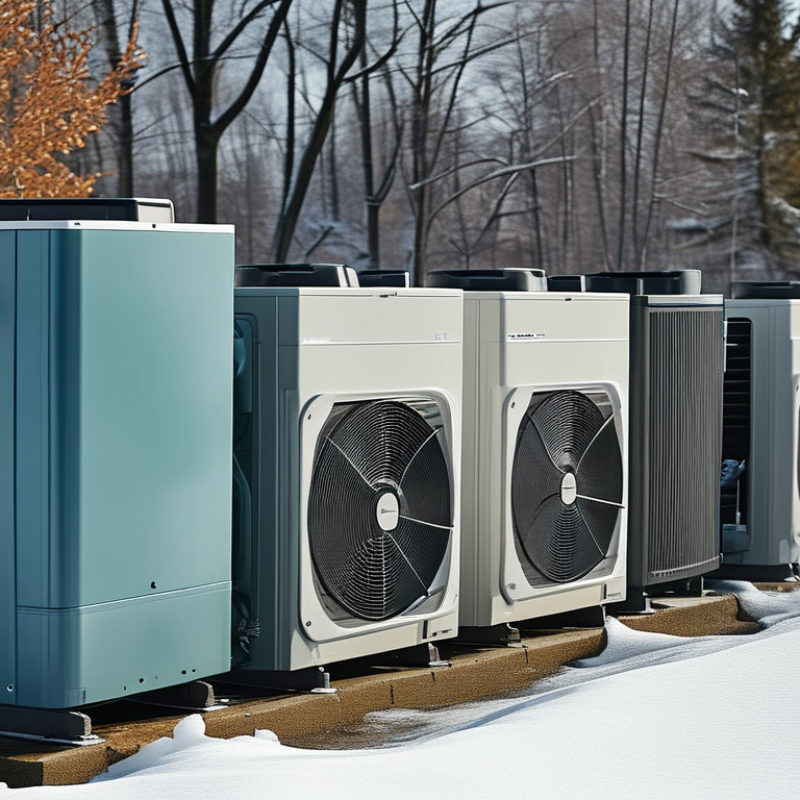
Cold climate heat pumps are innovative heating systems designed for colder environments. Unlike traditional heating systems, these pumps efficiently extract heat from the outside air, even when temperatures drop significantly. This technology uses a refrigeration cycle, allowing the heat pump to capture and transfer heat indoors.
These heat pumps have unique features suitable for low-temperature conditions. They often include advanced compressor technology and special refrigerants that perform well in freezing temperatures. This enables consistent heating, providing a reliable indoor climate throughout the winter months. Additionally, the efficiency of cold climate heat pumps reduces energy consumption, lowering utility bills.
However, they may not be perfect for every household. In extreme cold, their efficiency can decrease, potentially leading to reliance on backup heating sources. Homeowners should assess their local climate and energy needs. Proper installation and maintenance play critical roles in optimizing performance and longevity. Thus, understanding specific requirements is essential for maximizing the benefits of cold climate heat pumps.
Key Features of Cold Climate Heat Pumps
Cold climate heat pumps (CCHPs) are specialized heating systems designed for regions with low temperatures. These systems efficiently extract heat from the outside air, even in frigid conditions. This heating process relies on advanced technology, which involves refrigerant fluids that absorb and transfer heat. CCHPs maintain efficiency, offering reliable heating throughout winter.
One key feature of cold climate heat pumps is their enhanced performance at low temperatures. Traditional heat pumps struggle when temperatures drop below freezing. However, CCHPs are engineered to remain effective, often operating efficiently at temperatures as low as -5°F (-20°C). They employ variable-speed compressors, which adjust their operation based on outdoor conditions. This flexibility ensures consistent indoor comfort.
Another important aspect is their dual functionality. Cold climate heat pumps can both heat and cool homes. In the summer, they reverse the heating process to provide cooling. This versatility makes them a practical choice for year-round climate control. Despite these advantages, installation costs can be higher than conventional systems. Homeowners should weigh the long-term savings against initial expenses. These considerations highlight the need for careful evaluation before making a decision.
How Cold Climate Heat Pumps Operate in Low Temperatures
Cold climate heat pumps (CCHPs) are designed to work effectively in low temperatures. Their operation relies on advanced refrigeration technology. They extract heat from the outdoor air, even in frigid conditions. Research indicates that many CCHPs can maintain efficiency at temperatures as low as -15°F (-26°C). This ability makes them particularly suitable for regions with harsh winters.
When the temperature drops, traditional heat pumps struggle. CCHPs use variable-speed compressors. This enables them to adjust performance based on outdoor conditions. According to the U.S. Department of Energy, these systems can operate efficiently, achieving a coefficient of performance (COP) of around 2.5 to 3.5 in low temperatures. This means they can produce 2.5 to 3.5 times more heat energy than the electrical energy they consume.
Despite their advantages, CCHPs are not flawless. In extremely cold conditions, their efficiency may decline. Ice buildup can also hinder performance. Homeowners should consider proper installation and regular maintenance to ensure optimal efficiency. Understanding these aspects is crucial for maximizing the benefits of cold climate heat pumps in icy environments.
What is a Cold Climate Heat Pump and How Does It Work?
| Feature |
Description |
Efficiency Rating (HSPF) |
Optimal Operating Temperature |
| Heating Capability |
Able to operate efficiently in temperatures as low as -5°F |
8.0 |
-5°F to 65°F |
| Defrost Cycle |
Automatically melts frost build-up to maintain efficiency |
N/A |
N/A |
| Installation Complexity |
Requires careful design and installation to ensure efficiency |
N/A |
N/A |
| Cost Savings |
Can reduce heating costs by 30-50% compared to traditional systems |
N/A |
N/A |
Advantages of Using Cold Climate Heat Pumps
Cold climate heat pumps have become a popular choice for efficient heating in frigid weather. They utilize advanced technology to extract heat from the outside air, even when temperatures drop significantly. This means they can provide warmth to homes in winter without relying solely on fossil fuels. Their ability to operate efficiently in cold conditions makes them particularly advantageous for homeowners in cooler regions.
One major advantage of cold climate heat pumps is their energy efficiency. These systems can reduce energy bills substantially. They often use up to 50% less energy compared to traditional heating systems. This not only saves money but also lowers carbon emissions. In addition, advancements in technology have improved their performance in extreme temperatures, making them more reliable than ever before.
Another benefit is the dual functionality of these systems. Many cold climate heat pumps can also cool your home during the summer months. This versatility reduces the need for separate heating and cooling systems. However, potential buyers should carefully assess their specific climate and heating needs. Understanding local weather patterns is crucial before making a decision. Overall, while cold climate heat pumps present clear benefits, evaluating all aspects ensures the best decision for your home.
Cold Climate Heat Pump Efficiency Comparison
Common Applications and Limitations of Cold Climate Heat Pumps
Cold climate heat pumps (CCHPs) have gained traction for their efficiency in heating and cooling homes in colder regions. They operate effectively even when temperatures drop significantly, often down to -15°F (-26°C). According to research from the U.S. Department of Energy, CCHPs can maintain heating efficiency levels above 200% in these conditions, providing a viable alternative to traditional heating systems.
Despite their advantages, there are limitations to consider. CCHPs can struggle with efficiency at extremely low temperatures, where their performance may diminish. Furthermore, their upfront installation costs can be higher than those of conventional systems, which might be a barrier for some homeowners. It’s crucial to evaluate local climate conditions and energy rates before making a decision.
When considering a cold climate heat pump, proper sizing is essential. An oversized unit can lead to short cycling, reducing efficiency and lifespan. Proper installation by certified professionals ensures optimal performance. Ensure you check maintenance guidelines to avoid potential issues. Regular inspections can help detect inefficiencies before they become costly repairs. This choice requires careful thought, balancing benefits with potential drawbacks, but it can significantly reduce energy consumption over time.