Top Heat Pump Heating Systems for Efficient Home Comfort Solutions?
When it comes to home comfort, energy efficiency is vital. Heat pump heating systems stand out as top solutions for modern households. They offer versatility, making them suitable for various climates. Homeowners appreciate their capability to provide both heating and cooling.
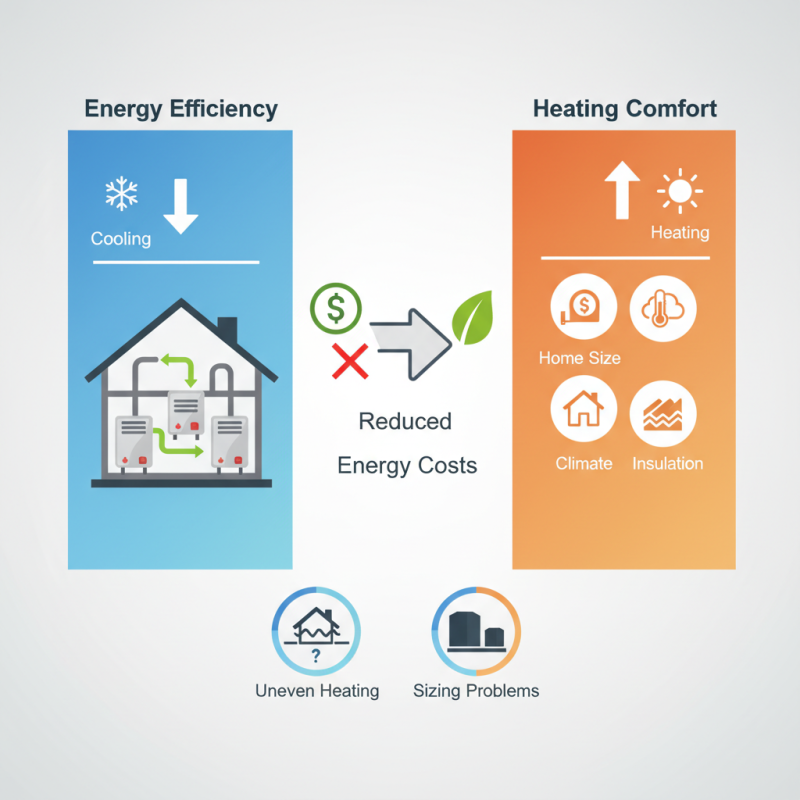
The efficiency of heat pump heating systems lies in their technology. These systems transfer heat instead of generating it, significantly reducing energy costs. Not every model is right for every home. Careful selection is key. Many options exist, and not all installations yield the desired comfort.
Choosing the right heat pump heating system involves considering several factors. Home size, insulation quality, and climate play crucial roles. It's not just about energy savings; comfort is equally important. Potential issues can arise, like uneven heating or sizing problems. Awareness of these challenges can lead to better decisions. Ultimately, a well-chosen heat pump can enhance home comfort enormously.
Understanding Heat Pump Technology and Its Benefits
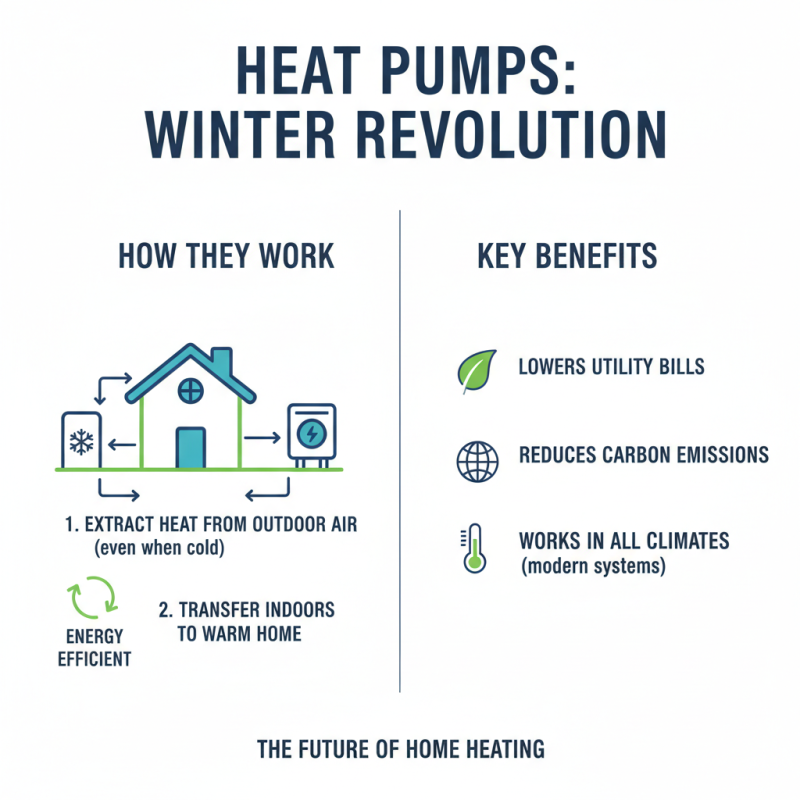
Heat pumps are revolutionizing home heating. They work by transferring heat rather than generating it. This makes them energy efficient. In winter, they extract warmth from the outside air. Even when it’s cold, there’s heat to be found. This process is often misunderstood. Many people think heat pumps only work in milder climates. However, modern systems are designed for a variety of conditions.
The benefits of heat pumps extend beyond energy savings. They provide both heating and cooling. One unit can do it all. This dual functionality can save space and installation costs. However, some may struggle with initial setup. It’s crucial to properly size and install these systems for optimal performance. A poorly installed unit can lead to inefficiency. Moreover, maintenance is key to long-term reliability. Neglecting this can create issues down the road. Awareness of these factors is essential for anyone considering heat pump technology.
Types of Heat Pump Systems for Home Heating Solutions
Heat pump systems are gaining traction as efficient home heating solutions. They work by transferring heat, rather than generating it. This makes them energy-efficient options for many homeowners. Reports indicate that using heat pumps can reduce energy consumption by as much as 50% compared to traditional heating methods. However, factors like climate and home insulation affect their effectiveness.
Key types of heat pump systems include air-source and ground-source varieties. Air-source heat pumps extract heat from the outside air. They operate efficiently in moderate climates, but performance can drop in freezing temperatures. Ground-source heat pumps, or geothermal systems, use underground heat. These systems typically offer better efficiency across varying conditions. A study found that ground-source systems can achieve efficiency ratings of over 400%. Yet, installation costs can be high and require careful planning.
Despite their advantages, heat pumps are not without challenges. Homeowners must consider local climate conditions and installation complexity. Additionally, regular maintenance is crucial for optimum performance. Many users report needing to adjust settings frequently to maintain comfort levels. Understanding the nuances of each system is essential for maximizing benefits and minimizing shortcomings. As awareness grows, so does the need for informed decisions regarding heat pump technologies.
Top Heat Pump Heating Systems for Efficient Home Comfort Solutions
| Heat Pump Type |
Efficiency Rating (SEER) |
Heating Capacity (BTU/h) |
Typical Installation Cost ($) |
Lifespan (Years) |
| Air Source Heat Pump |
16 - 20 |
12,000 - 60,000 |
3,500 - 7,500 |
15 - 20 |
| Ground Source Heat Pump |
20 - 25 |
18,000 - 80,000 |
10,000 - 25,000 |
25 - 30 |
| Ductless Mini-Split Heat Pump |
18 - 30 |
9,000 - 36,000 |
3,000 - 10,000 |
15 - 20 |
| Hybrid Heat Pump |
15 - 22 |
12,000 - 60,000 |
4,000 - 8,000 |
15 - 20 |
Factors to Consider When Choosing a Heat Pump System
When choosing a heat pump system, there are several factors to consider. Efficiency is key. Look for systems with high Seasonal Energy Efficiency Ratio (SEER) and Heating Seasonal Performance Factor (HSPF) ratings. These ratings indicate how well a heat pump performs in varying temperatures. Also, ensure it suits your climate. Some heat pumps work better in warmer areas, while others can handle cold conditions effectively.
Size matters too. An oversized unit can lead to energy waste. An undersized unit might not heat or cool effectively. Getting the right size is crucial for comfort and efficiency. Consider your home's insulation. Good insulation can enhance the heat pump's performance significantly.
Tips: Always consult with a professional for sizing. They can perform a load calculation for better accuracy. Additionally, check local incentives. Some regions offer rebates for energy-efficient upgrades.
Another important aspect is installation quality. Poor installation can negate efficiency benefits and lead to repairs. Research different contractors. Their expertise can make a big difference. Remember, regular maintenance is essential for longevity and optimal performance. Check filters monthly and schedule annual inspections.
Tips: Keep an eye on your system’s performance. If it seems less efficient, consider a check-up. It’s better to address issues sooner rather than later.
Top Brands and Models of Heat Pumps for Energy Efficiency
When selecting a heat pump heating system, energy efficiency is key for homeowners. Some systems excel in providing warmth while minimizing energy use. Look for models with high Seasonal Energy Efficiency Ratios (SEER) and Heating Seasonal Performance Factors (HSPF). These figures indicate how effectively the system uses energy.
Tips: Consider the size of your home. A unit too big or too small won't operate efficiently. Also, check for models with variable speed compressors. They adjust output based on demand, leading to increased efficiency and comfort.
Brands may offer numerous models, each with unique features. Some may be quieter, while others might have smart technology integration. Take the time to compare options carefully. Don't ignore customer reviews. Real-life experiences can help reveal strengths and weaknesses that specs may not show.
Tips: Look for warranties or service agreements to ensure long-term satisfaction. Energy-efficient systems often come with superior warranties, reflecting their quality. Installing a heat pump is a significant investment. Reflect on your choices and their potential long-term impact on energy bills.
Top Heat Pump Heating Systems for Efficient Home Comfort Solutions
Installation and Maintenance Tips for Optimal Heat Pump Performance
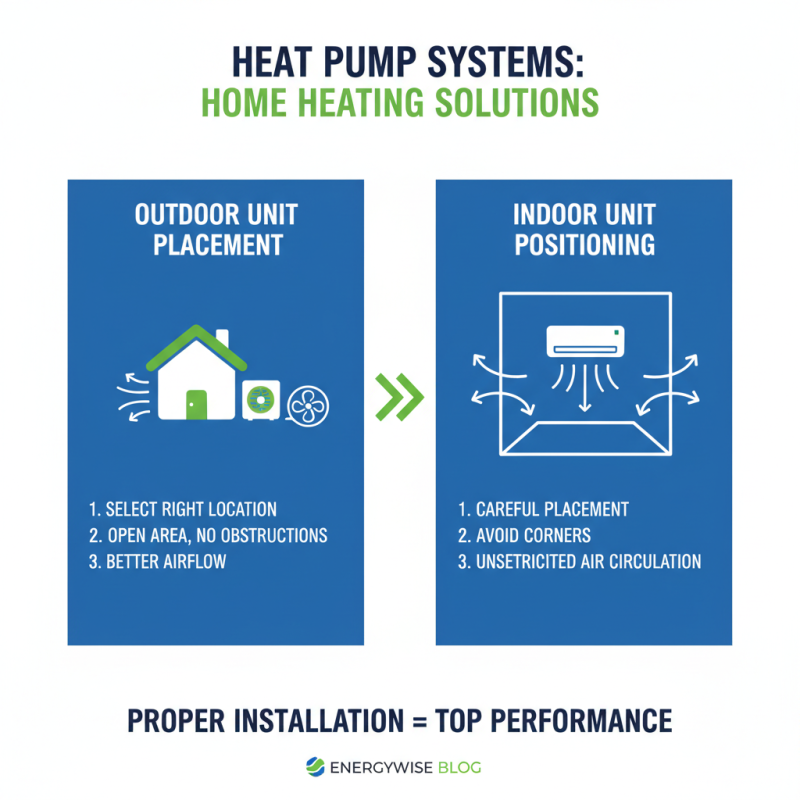
Heat pump systems offer great solutions for home heating. To ensure optimal performance, proper installation is key. Begin by selecting the right location for the outdoor unit. It should be in an open area, free from obstructions. This allows for better airflow. Indoor units also need careful positioning. Avoid placing them near corners or in areas with limited air circulation.
Regular maintenance is crucial for these systems. Check the air filters monthly. Clogged filters can reduce efficiency significantly. Cleaning them is often an easy task. However, some homeowners overlook this step. Additionally, inspect the outdoor unit for debris. Leaves and dirt can accumulate and hinder function. If you neglect this, it may lead to potential issues down the line.
Pay attention to unusual noises. These might indicate a problem. A hissing sound could suggest refrigerant issues. If you notice uneven heating, that’s another sign to inspect. Ignoring these signs can lead to costly repairs. Keep a maintenance schedule and don’t skip routine checks. Balancing efficiency and comfort requires consistent effort.