Top 10 Energy Smart Solutions for Sustainable Living?
In an era where climate change is at the forefront, adopting "energy smart" solutions is crucial for sustainable living. Expert Dr. Emily Turner, a leading voice in sustainable energy, emphasizes, "Every small step towards energy efficiency can lead to significant environmental impact." This sentiment resonates deeply with the growing need for innovation in our daily lives.
The landscape of energy consumption is evolving. People are increasingly aware of their carbon footprints. "Energy smart" solutions can enhance this awareness. From solar panels to intelligent appliances, options abound that help reduce energy waste. Even simple changes, like smart thermostats, can make a big difference. These choices are not just about convenience; they shape a greener future.
However, the journey isn’t without challenges. Many consumers remain hesitant to invest in new technologies or change their habits. The upfront costs and complexity can be intimidating. It's essential to address these fears and highlight the long-term savings and benefits. Balancing immediate comfort with a sustainable vision requires commitment and reflection. The path to truly "energy smart" living is ongoing and demands our collective effort.

Energy Efficient Home Design: Principles and Practices
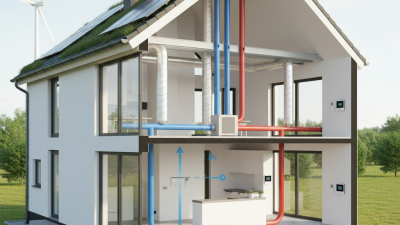
Energy-efficient home design is becoming essential for sustainable living. It involves more than just insulated walls or double-glazed windows. It's about creating a holistic environment that reduces energy consumption while enhancing comfort. For example, optimizing natural light can cut down electricity use during the day.
Large, strategically placed windows can brighten a room without unnecessary lighting.
One principle is passive solar design. This technique uses the sun’s energy to heat and cool spaces naturally. Orienting your home to capture sunlight can reduce heating costs in winter. However, this approach requires careful planning and understanding of the local climate. Not every design will suit every location. Sometimes, what works in one area may not be effective in another, leading to wasted resources.
Another method is using sustainable materials. Bamboo, reclaimed wood, and recycled metal are excellent choices. They reduce the carbon footprint of construction. Yet, sourcing locally is crucial to avoid long transportation emissions. While the idea of energy-efficient design sounds appealing, poorly executed designs can create discomfort. Issues like poor ventilation or inadequate insulation can negate benefits. Reflection and testing are necessary to find the true balance in energy-efficient home design.
Smart Appliances: Revolutionizing Energy Consumption
Smart appliances are transforming the way we consume energy in our homes. These devices offer advanced features that improve energy efficiency and reduce waste. According to a report by the International Energy Agency, smart appliances can cut energy consumption by 25% to 30% compared to traditional models. This shift is crucial for sustainable living.
Consider your refrigerator. Modern models come with energy-saving modes and temperature controls that optimize performance. When left on, older models can consume up to 50% more electricity. Simple changes, such as adjusting the settings, can lead to significant savings on your utility bill.
Tips: Set your thermostat a few degrees higher in summer. This small adjustment can save between 5% to 15% on cooling costs. Additionally, utilizing smart plugs allows you to schedule appliance use during off-peak hours, reducing your overall energy bill.
It is essential to reflect on our consumption habits. Even with the latest technology, leaving devices plugged in can waste energy. Studies indicate that phantom loads account for 10% of residential energy use. By being mindful of our appliance usage and making better choices, we can collectively contribute to a more sustainable future.
Top 10 Energy Smart Solutions for Sustainable Living
| Solution |
Description |
Energy Savings (%) |
Initial Cost ($) |
Long-term Benefit (Years) |
| Smart Thermostats |
Regulates heating and cooling based on occupancy |
20-30% |
200-300 |
5-10 |
| LED Lighting |
Energy-efficient light bulbs with longer lifespan |
75-80% |
10-20 |
10-15 |
| Smart Power Strips |
Cuts power to devices in standby mode |
10-20% |
20-50 |
3-5 |
| Energy Star Appliances |
Designed to use less energy than standard models |
15-50% |
500-1500 |
10-20 |
| Solar Water Heaters |
Uses sunlight to heat water for domestic use |
50-80% |
2000-5000 |
15-25 |
| Smart Refrigerators |
Maintain optimal temperatures and reduce food waste |
30-40% |
1000-3000 |
10-15 |
| Home Energy Management Systems |
Monitors and optimizes energy use in real time |
10-25% |
100-500 |
5-10 |
| Energy-efficient HVAC Systems |
Heating and cooling systems that save energy |
20-50% |
3000-7000 |
15-20 |
| Smart Irrigation Systems |
Automatically adjusts watering based on weather |
20-40% |
100-300 |
5-10 |
| Electric Vehicle (EV) Charging Stations |
Efficient charging solutions for electric vehicles |
Varies by usage |
500-2500 |
10-15 |
Renewable Energy Sources: Harnessing Nature for Sustainable Power
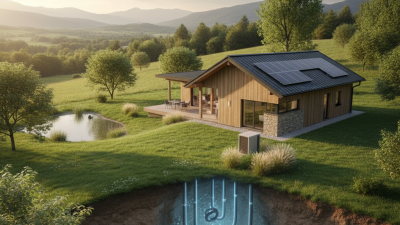
Renewable energy sources play a crucial role in sustainable power generation. According to the International Renewable Energy Agency (IRENA), the adoption of renewables could reduce global greenhouse gas emissions by up to 70% by 2050. This statistic highlights the potential of harnessing natural resources to combat climate change.
Solar energy is a leading contender in renewable solutions. In 2021, solar power accounted for over 25% of the global renewable energy market. It offers clean electricity using sunlight, which is abundant and free. However, solar energy technology still faces challenges, such as storage efficiency and material sourcing.
Wind energy also contributes significantly. The Global Wind Energy Council (GWEC) reported that the global wind power capacity reached over 743 GW in 2021. Despite its advancements, wind energy faces hurdles like location limitations and noise issues. These factors create variables that need careful consideration for implementation.
Transitioning to renewable energies requires strategic planning. Communities need to assess their local resources and capabilities. Developing a comprehensive approach can maximize the impact of renewable energy sources.
Water Conservation Techniques: Reducing Waste and Energy Use
Water conservation is critical in our quest for sustainable living. Excessive water use contributes to significant energy waste. According to the U.S. Environmental Protection Agency, nearly 20% of residential water usage occurs outdoors, primarily due to inefficient irrigation. By adopting smarter techniques, households can reduce water waste and energy consumption together.
One effective method is the installation of rain barrels, which collect runoff from roofs. Studies show that this approach can reduce outdoor water usage by up to 50%. Additionally, utilizing drought-resistant landscaping reduces the need for irrigation. This not only saves water but also decreases energy from pumping and treating water.
Education plays a vital role in water conservation. Awareness campaigns can help residents understand their usage patterns and encourage changes. For instance, simple actions, like fixing leaks, can save about 10,000 gallons per year. Despite these benefits, many households still overlook these opportunities. Reevaluating water habits is essential for long-term sustainability. Each drop saved is a step toward minimizing our ecological footprint.
Top 10 Energy Smart Solutions for Sustainable Living
This chart displays the effectiveness of various water conservation techniques as part of energy-smart solutions for sustainable living. Each method highlights its potential impact on reducing water waste and promoting sustainable practices.
Eco-Friendly Transportation Options: Sustainable Travel Solutions
Transportation plays a crucial role in sustainable living. Eco-friendly options can significantly reduce our carbon footprint. Public transportation is one standout solution. Trains and buses often offer lower emissions per passenger compared to individual cars. Many cities are investing in electric buses. These vehicles provide cleaner alternatives for daily commutes. However, access to public transport can vary. Not all regions have comprehensive networks.
Walking and cycling are also vital. These modes of travel produce zero emissions. They promote physical health and reduce traffic congestion. Cities can improve bike lanes. Dedicated paths create safer environments, encouraging more people to cycle. Yet, some areas lack the necessary infrastructure. This gap hinders growth in sustainable transport options.
Car-sharing services are another innovative solution. They allow multiple users to share a vehicle. This reduces the number of cars on the road. However, users must weigh convenience against environmental impact. Not every shared vehicle is eco-friendly. Electric vehicles as share options can make a difference. Promoting awareness is essential for effective change. Each step towards eco-friendly transport contributes to a healthier planet.