What is a Spa Heat Pump and How Does it Work?
A spa heat pump is an innovative device designed to efficiently heat and cool spa water. According to the U.S. Department of Energy, heat pumps can be up to 400% more efficient than traditional electric heaters. This remarkable efficiency stems from their unique operation, which transfers heat rather than generating it. It's a technology that not only enhances comfort but also reduces energy costs.
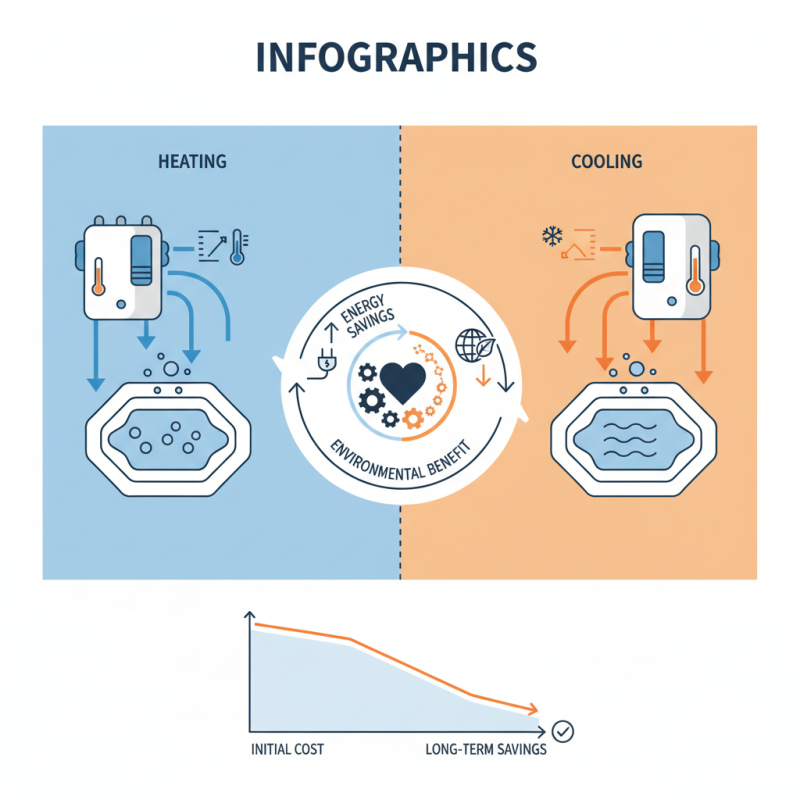
Many spa owners remain unaware of the long-term benefits of using a spa heat pump. For instance, while initial costs may appear higher, savings on energy bills often offset this investment within a few years. The International Energy Agency reports that effective heating solutions like these contribute to reducing greenhouse gas emissions significantly. However, not all spa heat pumps are created equal; performance can vary based on factors such as climate and installation quality.
Choosing the right pump requires careful consideration. It's crucial to analyze specific needs and local conditions. A poorly chosen unit might lead to inefficiencies, ultimately negating its benefits. Understanding the intricacies of spa heat pumps can unlock greater relaxation and enjoyment. In a world of rising energy costs, it's worth exploring these efficient options more deeply.
What is a Spa Heat Pump?
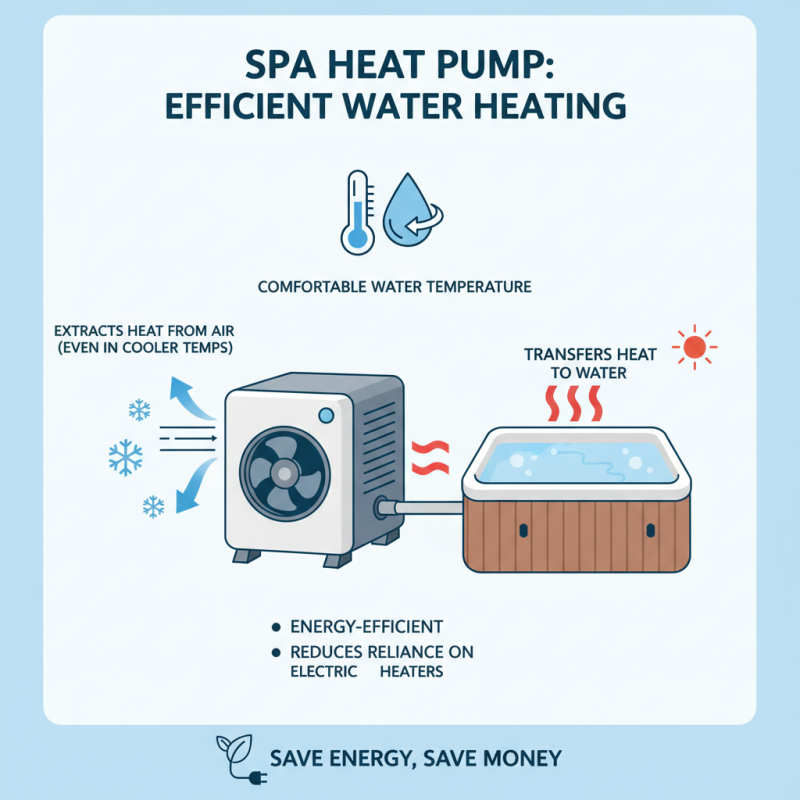
A spa heat pump is an essential device for maintaining a comfortable water temperature in spas and hot tubs. It extracts heat from the air and transfers it to the water. This process happens even in cooler outdoor temperatures. By doing so, it provides an energy-efficient way to heat the water without relying solely on electric heaters.
Inside a spa heat pump, a refrigerant circulates through the system. The refrigerant absorbs heat from the air as it evaporates. It is then compressed, raising its temperature. Finally, the hot refrigerant transfers its heat to the water in the spa through a heat exchanger. This method uses less energy than traditional heating systems.
Although spa heat pumps offer many benefits, there can be limitations. For instance, they might not work efficiently in extremely low temperatures. Users need to be mindful of outdoor conditions. There might also be noise factors to consider, as some heat pumps can be quite loud. Understanding these aspects is crucial for making informed decisions when selecting a heating solution for your spa.
The Components of a Spa Heat Pump
A spa heat pump is designed to efficiently heat your spa water. It works by transferring heat from the air to the water. But what makes it effective? Let's break down its components.
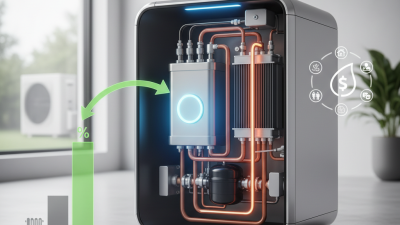
The compressor is a key part of the spa heat pump. It compresses the refrigerant and increases its temperature. This heated refrigerant then flows to the condenser. Here, it releases heat into the water. A fan helps to circulate the air, enhancing efficiency. The evaporator is another essential component. It absorbs heat, turning the refrigerant into gas again. Each part must function well for optimal heating.
Tips: Regularly check the compressor for any signs of wear. Clean the evaporator coils to ensure they are free from debris. This will help your spa heat pump run smoothly.
Another important component is the expansion valve. This valve controls the flow of refrigerant, adjusting the pressure. If it malfunctions, efficiency drops. Water flow sensors can also help monitor the system’s performance. Having these indicators can save you from costly repairs. Always be aware of unusual noises—that could signal trouble.
How Does a Spa Heat Pump Work?
A spa heat pump is an essential device for maintaining the perfect water temperature in a spa. It works by extracting heat from the outside air, compressing it, and then transferring that heat into the water. This process is energy-efficient and can significantly lower energy costs. The heat pump operates even in low temperatures, making it versatile and reliable.
Understanding this process is vital. The unit contains a fan that pulls in air. The refrigerant in the system absorbs heat from the air before compressing it, which raises its temperature. The heated refrigerant then moves to a heat exchanger, warming the spa water. It's a continuous cycle, making the heat pump effective.
**Tips:** Regular maintenance is key. Check the air filters frequently, as dirty filters reduce efficiency. Also, positioning the heat pump in a sheltered area may enhance its performance. An area with good airflow around the unit is crucial too. Remember, while they are efficient, sometimes they may not reach desired temperatures quickly, especially in colder weather. Each installation has its quirks, it’s worth noting to adjust settings accordingly.
Benefits of Using a Spa Heat Pump
Spa heat pumps offer numerous benefits for maintaining an ideal spa temperature efficiently. Research indicates that these pumps can reduce energy consumption by up to 70%, making them a cost-effective choice for spa owners. They work by extracting heat from the air, even in cooler temperatures, and transferring it to the water, allowing for year-round spa enjoyment. This technology means less reliance on traditional heating methods like electric heaters, which often consume more energy.
One can observe the environmental advantages as well. Fewer greenhouse gas emissions are produced when using heat pumps compared to conventional heaters. A report from the HVAC industry highlights that heat pumps can lower the carbon footprint of residential heating systems significantly. However, some users may find initial installation costs to be high, leading to hesitation.
The lifespan of a spa heat pump is generally around 15 years, yet maintenance is crucial for optimal performance. Regular checks can help prevent inefficiencies over time. Homeowners often overlook the importance of this upkeep. Embracing the benefits of spa heat pumps requires a commitment to both initial investment and continuous care.
Installation and Maintenance of Spa Heat Pumps
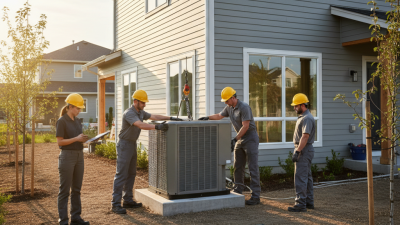
Installing a spa heat pump requires careful planning and expertise. Proper placement is crucial for efficiency. Ideally, the unit should be located close to the spa and in an area that allows for optimal airflow. A shaded location can enhance performance, as direct sunlight can reduce the heat pump's efficiency by over 10%. Installation often involves running electrical lines and connecting to the spa's plumbing—both tasks that require a qualified technician.
Maintenance of spa heat pumps is vital for longevity and performance. Regular cleaning of filters is necessary to ensure proper airflow. According to industry reports, neglecting filters can reduce efficiency by 15%-20%. Additionally, monitoring refrigerant levels is critical, as low levels can lead to reduced heating performance. Users should also check for any signs of corrosion or wear on components. Ignoring these aspects can lead to costly repairs that might have been avoided with routine care.
Regular maintenance checks can save money and extend the lifespan of the unit significantly.