What is Heat Recovery and How Does It Work?
Heat recovery is a vital process in energy management. It refers to capturing and reusing thermal energy that would otherwise be wasted. This concept is gaining attention as industries strive for greater efficiency.
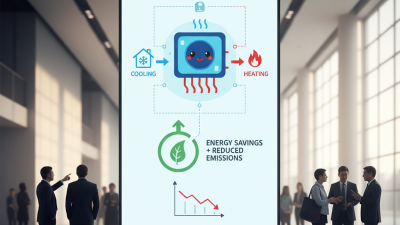
In many systems, heat is generated through processes like manufacturing, ventilation, or even exhaust. Unfortunately, a significant amount of this heat escapes into the environment. Implementing heat recovery can minimize these losses. By capturing this energy, facilities can lower their energy bills and reduce their carbon footprint.
Understanding heat recovery is crucial for both individuals and businesses. Those who adopt this technology can pave the way for sustainable practices. As interest grows, it is essential to reflect on how effectively we utilize resources. The potential savings and environmental benefits warrant consideration.
What is Heat Recovery?
Heat recovery is an innovative technology that captures waste heat from various processes and reuses it for heating or power generation. This method can significantly enhance energy efficiency across industrial, residential, and commercial settings. According to the U.S. Department of Energy, heat recovery systems can improve efficiency by 10% to 40%, depending on the application.
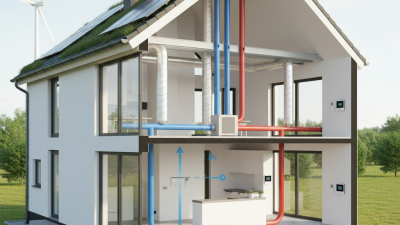
In practice, heat recovery can be implemented in various ways. For example, in HVAC systems, exhaust air from buildings can transfer heat back into incoming fresh air. This is often done using heat exchangers, which separate the two air streams while allowing heat transfer. Another method is the use of heat recovery steam generators, which capture heat from high-temperature industrial processes and convert it into steam for electricity generation. Such systems are not only cost-effective but also reduce carbon emissions significantly.
Despite its advantages, heat recovery is not without challenges. Building design and existing infrastructure can limit the effectiveness of heat recovery systems. Additionally, maintenance and monitoring are crucial to ensure optimal performance. Investing in heat recovery technology requires careful planning, but the long-term benefits can lead to substantial energy savings and reduced environmental impact.
What is Heat Recovery and How Does It Work?
| Aspect |
Description |
Benefits |
Application Areas |
| Definition |
Heat recovery is the process of capturing and reusing energy that would otherwise be wasted during industrial processes or building heating. |
Reduces energy costs, lowers carbon footprint, enhances system efficiency. |
HVAC systems, industrial manufacturing, power plants. |
| Mechanism |
Utilizes heat exchangers to transfer heat from one medium to another, reclaiming thermal energy. |
Improves energy efficiency, reduces reliance on fossil fuels. |
District heating, waste heat recovery in manufacturing. |
| Types |
Includes heat recovery ventilation (HRV), energy recovery ventilators (ERV), and waste heat recovery systems. |
Increases indoor air quality, reduces heating/cooling loads. |
Residential buildings, commercial facilities, industrial setups. |
| Examples |
Reusing exhaust air to preheat incoming fresh air or capturing waste heat from production processes. |
Saves money, enhances sustainability. |
Food processing, chemical industries, HVAC applications. |
The Principles of Heat Recovery Technology
Heat recovery technology is an innovative approach aimed at optimizing energy use. It captures and repurposes waste heat from various processes, making systems more efficient. Imagine the heat generated by industrial machines or HVAC systems. Instead of letting it escape, heat recovery systems seize this energy to warm water or air, thereby reducing the overall energy consumption of the facility.
The principles behind heat recovery are grounded in thermodynamics. These systems often utilize heat exchangers to transfer heat from one medium to another. They operate on the concept of conserving energy. For instance, air-to-air heat exchangers can use warm exhaust air to preheat incoming fresh air. This can notably decrease heating costs in colder climates. Reflecting on implementation, the initial investment can be high, but the long-term savings often justify it.
Understanding the balance between energy efficiency and cost is crucial. Not all facilities require heat recovery systems, and assessing need is important. Gathering the right data on energy usage can lead to informed decisions. While these technologies offer substantial benefits, not addressing the specific context may lead to underwhelming results. Therefore, careful analysis and planning are essential for successful heat recovery implementation, and avoiding a one-size-fits-all approach can improve outcomes significantly.
Heat Recovery Efficiency by System Type
Common Applications of Heat Recovery Systems
Heat recovery systems play a crucial role in increasing energy efficiency across various applications. These systems capture waste heat from industrial processes, HVAC systems, and even residential areas. By transferring this heat to where it is needed, businesses can significantly reduce energy costs. For instance, in manufacturing, recovering heat from a production line can be reused for space heating or even to preheat water. This not only cuts down on energy consumption but also enhances overall operational efficiency.
In buildings, heat recovery ventilators (HRVs) are common. These devices reclaim heat from the air being expelled. The recovered heat warms the incoming cold air, reducing the load on heating systems. This approach is especially effective in cold climates, where heating demands are high. However, not every building benefits equally from HRVs. Architects must consider ventilation needs, occupancy, and climate when implementing these systems. The results can vary, highlighting the importance of tailored solutions in heat recovery strategy.
How Heat Recovery Improves Energy Efficiency
Heat recovery systems play a crucial role in enhancing energy efficiency across various sectors. By capturing otherwise wasted heat from industrial processes, buildings, or appliances, these systems can significantly reduce energy consumption. According to the U.S. Department of Energy, heat recovery systems can improve energy efficiency by up to 50% in some applications. This transformation is essential for organizations aiming to minimize energy costs and environmental footprints.
The process works by transferring heat from exhaust gases or water to incoming air or fluids. For instance, in commercial buildings, heat recovery ventilators can reclaim heat from outgoing stale air to warm up fresh incoming air. This simple yet effective method reduces reliance on conventional heating systems, resulting in lower energy consumption. Interestingly, despite the potential benefits, many facilities still overlook heat recovery solutions.
Implementing heat recovery isn’t without challenges. Some systems can be complex and require careful maintenance for optimal performance. It’s essential to evaluate each situation thoroughly, considering factors like installation costs and space requirements. Regular assessments can ensure systems are performing effectively, adjusting as necessary to maintain efficiency. The increased focus on sustainable practices makes now the right time for companies to explore these energy-saving technologies.
Challenges and Considerations in Implementing Heat Recovery
Heat recovery systems offer significant potential for energy efficiency across various industries. However, implementing these systems comes with unique challenges. One major issue is the initial investment. According to a report by the U.S. Department of Energy, up to 30% of capital costs can stem from installing heat recovery technologies. This figure deters many companies, especially smaller ones. Securing funding or financial incentives can alleviate this burden.
Another challenge is the complexity of installation. Retrofitting existing systems can be particularly difficult. Each facility has unique characteristics, which means solutions must be customized. The engineering firm BSRIA highlights that proper integration with existing equipment is crucial. This can lead to operational disruptions if not managed carefully. Training staff is also essential. Without proper education, the full benefits of heat recovery may not be realized.
Lastly, ongoing maintenance presents additional considerations. A well-known survey found that 45% of companies reported insufficient maintenance as a barrier to effective heat recovery. Regular checks and updates ensure these systems operate at peak efficiency. It's important to reflect on these hurdles. By addressing them, organizations can move closer to achieving sustainable practices while optimizing energy use.