How to Choose the Best Air Duct Machine in 2026?
Choosing the best Air Duct Machine in 2026 requires more than comparing motor power or advertised suction. A reliable choice should match the building, contamination level, duct size, and cleaning method. The U.S. Environmental Protection Agency reports that people spend approximately 90% of their time indoors. It also notes that indoor pollutant concentrations can exceed outdoor levels by two to five times, and sometimes much more. These figures make controlled ventilation cleaning a practical maintenance decision, not merely a cosmetic service.
Energy loss matters too. ENERGY STAR guidance states that typical duct systems can lose about 20% to 30% of conditioned air through leaks and poor connections. Therefore, the strongest Air Duct Machine is not automatically the best investment. Technicians should examine negative-pressure performance, airflow stability, filtration efficiency, hose reach, access tools, noise, and waste containment. NADCA’s ACR 2021 standard provides useful professional guidance for assessment, cleaning, and restoration practices. ASHRAE Standard 180 also supports structured HVAC inspection and maintenance procedures.
Field experience exposes an uncomfortable detail. A machine may perform impressively in a brochure but struggle inside long, restrictive ductwork. “Industrial” labeling can be vague. Buyers should request measured airflow data, filter specifications, service records, and realistic operating demonstrations. HEPA filtration can help control fine particles, but it does not replace proper source removal or safe work procedures. The final decision should balance performance, portability, operator training, maintenance cost, and job frequency. There is no perfect machine. A thoughtful selection process reduces expensive mistakes and supports cleaner, more consistent results.
What Is an Air Duct Machine and What Tasks Does It Perform?
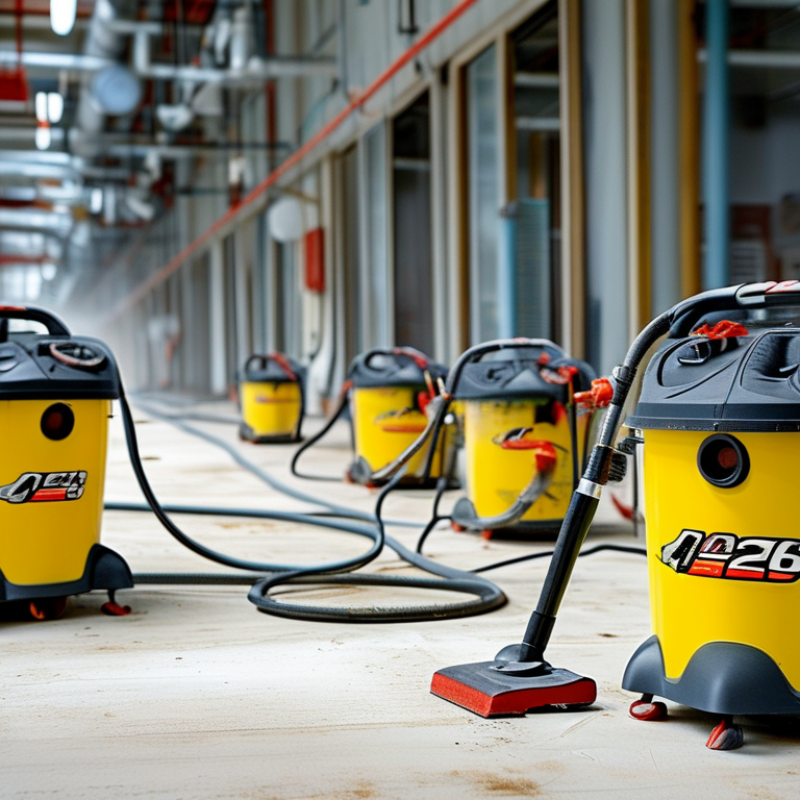
An air duct machine is equipment designed to clean, inspect, or restore ventilation ducts. It may combine a high-powered vacuum, rotary brush, air whip, and inspection camera. The vacuum captures loosened dust instead of allowing it to spread indoors. Brushes remove compacted debris from metal surfaces. Air whips reach bends and flexible sections. Cameras reveal cracked joints, damp insulation, and forgotten construction waste.
In field inspections, the correct machine depends on duct size, contamination level, and building layout. A compact unit suits apartments and narrow service areas. Larger systems provide stronger airflow for commercial duct networks. Check static-pressure performance, filtration efficiency, hose length, noise level, and access-port compatibility. A sealed collection chamber matters. Fine dust can escape through weak connections. Poorly fitted equipment may create more mess than it removes.
A useful machine should also support controlled cleaning. Excessive brush pressure can damage fragile insulation or loose joints. It should have clear gauges, emergency shutoff controls, washable filters, and replaceable wear parts. Maintenance records improve reliability and support professional work. I once underestimated hose routing on a crowded site; the machine performed well, but setup took longer than expected. That mistake changed my selection checklist. For 2026, prioritize measurable airflow, practical mobility, verified filtration data, and training requirements over impressive marketing claims.
How to Match Machine Types with Different Duct Cleaning Needs
How to Choose the Best Air Duct Machine in 2026?
How to Match Machine Types with Different Duct Cleaning Needs
Choosing an air duct machine starts with the duct, not the machine’s advertised power. A small home system may need an air whip, vacuum, and flexible hose. Start with the duct. This setup loosens light dust without damaging thin insulation or flexible connections. For heavier buildup, a rotary brush reaches deeper into metal ducts. Its speed should match the duct diameter and surface condition. Excessive force can scrape coatings, bend access panels, or spread debris.
Commercial systems often require negative-air equipment with strong static-pressure control. Add a HEPA filter when occupants need better particulate containment. Grease, moisture, and compacted debris demand different tools and slower passes. A technician should inspect access points, airflow direction, and filter condition before selecting equipment. Clean machines matter too. A clogged filter can make a powerful vacuum perform poorly.
In field practice, machine matching is rarely perfect on the first attempt. I have seen operators choose high airflow when controlled brushing was more important. That mistake increased cleanup time. Measure the duct size, note the debris type, and test a small section first. Machines with adjustable speed, grounded components, and clear maintenance records offer more dependable control. Training remains essential. Even a well-built machine can damage insulation when the operator rushes.
What Safety, Efficiency, and Maintenance Features Should You Evaluate?
Choosing the best air duct machine in 2026 requires more than comparing motor power. Safety features should come first. Look for sealed electrical housings, overload protection, grounded plugs, and emergency shutoff controls. A clear inspection window helps operators detect blockages before pressure rises. Machines with adjustable suction reduce the risk of damaging fragile ductwork.
Efficiency matters during real cleaning work. Variable-speed control can match airflow to the duct size, while strong filtration keeps loosened dust from returning indoors. Check the hose diameter, reach, noise level, and wheel design. A machine that fits through narrow service doors saves time on every job. Still, higher airflow is not always better. Excessive suction may disturb insulation or loosen weak joints.
Maintenance features often separate a dependable machine from an expensive problem. Choose accessible filters, replaceable seals, labeled service points, and a drain system that does not trap dirty water. Ask whether common parts can be inspected without special tools. I once overlooked filter access, and a ten-minute cleaning became an hour of disassembly. That mistake changed my checklist.
Read the operating manual carefully. Verify local electrical requirements and use protective equipment during testing and cleaning. Keep a record of filter changes, motor temperature, unusual vibration, and hose wear. Small records reveal patterns. They also expose poor assumptions before a breakdown occurs.
How to Choose the Best Air Duct Machine in 2026?
Evaluate each machine by the practical importance of safety, efficiency, and maintenance features. The scores below use a transparent 10-point buyer checklist rather than brand or manufacturer data.
Prioritize HEPA or high-efficiency filtration, grounded electrical protection, negative-pressure control, airflow monitoring, low-noise operation, accessible filters, clear maintenance indicators, and tool-free service access. Confirm that performance claims match applicable workplace-safety requirements and the machine’s intended duct-cleaning application.
How to Compare Prices, Brands, Warranties, and Long-Term Value
Choosing an air duct machine in 2026 requires more than comparing the prices on a sales page. A low-cost unit may have weaker suction, thinner hoses, or expensive replacement filters. Check the machine’s airflow, vacuum pressure, hose length, brush design, and power consumption. Ask whether the listed price includes essential tools, shipping, taxes, and training. Hidden costs matter.
Compare brands by evidence, not reputation alone. Look for service records, user feedback from contractors, and clear technical documentation. A two-year warranty sounds useful, but read the conditions carefully. Does it cover the motor, control panel, and labor? Who pays for return shipping? Are parts available locally, or must they cross several borders? I once chose a cheaper machine with a long warranty. The repair process was slow, and the lost workdays cost more than expected.
Long-term value depends on daily performance and maintenance. A durable machine should tolerate repeated jobs, dusty conditions, and transport between sites. Measure how quickly filters clog during real work. Check whether one person can load it into a van safely. Energy use also affects yearly operating costs. A professional supplier should provide manuals, service intervals, safety guidance, and realistic capacity figures. Be cautious with impressive claims that lack test conditions. A machine that costs more may be the better investment, but only when its support, parts supply, and actual output justify the difference. My own estimates have been wrong before, so I now calculate costs over five years, not five minutes.

