How to Choose the Best Solar Storage Solutions?
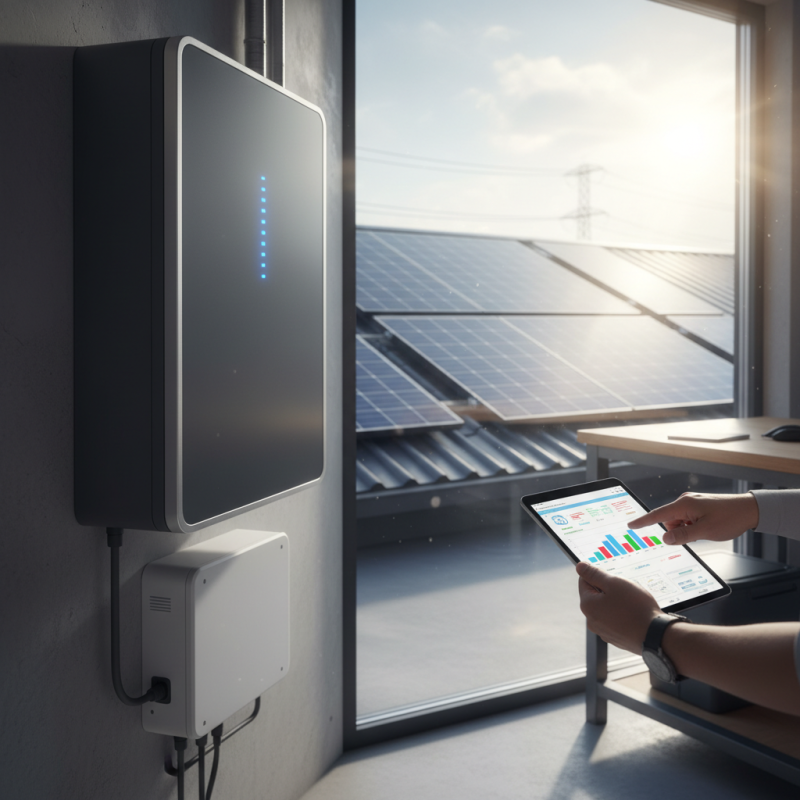
Choosing the right Solar Storage solution is crucial in harnessing renewable energy. Solar storage systems allow homeowners to store excess energy generated during sunny days. This stored energy can then be used when the sun isn't shining, providing independence from the grid.
However, finding the best solar storage can be complicated. Factors like battery life, capacity, and efficiency play significant roles. Moreover, costs can vary significantly, making it essential to analyze your energy needs carefully. Brands often claim they can meet those needs, but many may not deliver as promised.
Reflecting on personal experience with solar storage is important. What worked for one may not work for another. Prioritizing your requirements will guide you to a fitting solution. In the end, the best solar storage is one that meets your unique energy demands while fitting your budget.
Understanding Solar Storage Solutions: An Overview
Solar storage solutions are critical for maximizing the efficiency of solar energy systems. As the world shifts toward renewable energy, understanding these solutions becomes essential. According to the U.S. Energy Information Administration, energy storage capacity is expected to grow from 3.1 gigawatts in 2020 to 17.5 gigawatts by 2025, highlighting the increasing importance of these technologies.
Various types of batteries exist for solar storage. Lithium-ion batteries dominate the market, owing to their high energy density and longer cycle life. However, they come with concerns about resource sustainability and recycling. On the other hand, lead-acid batteries are more affordable but have a shorter lifespan and lower efficiency. A report from BloombergNEF indicates that lithium-ion costs have dropped by 89% since 2010, yet they still raise questions about affordability for everyday consumers.
Selecting the best solar storage solution involves assessing specific needs. Factors like location and electric rates significantly impact efficiency and savings. A recent survey found that 74% of homeowners are willing to invest in battery storage when benefits are clearly outlined. Yet, many still struggle to understand the long-term implications of their choices. Amid this growing market, making informed decisions is more important than ever. Industry experts emphasize that education around solar storage remains lacking among consumers.
Evaluating Your Energy Needs for Effective Storage
When evaluating your energy needs for effective solar storage, begin with understanding your daily consumption. The average household uses about 30 kWh of electricity daily. This number helps determine the size and capacity of the storage system required. Keep in mind, your consumption may fluctuate based on seasons or personal habits.
Consider how much energy you generate daily from your solar panels. On sunnier days, you might produce more energy than needed. However, during cloudy days, this generation can drop significantly. Investing in a storage solution that can adapt to these variations is crucial. Reports suggest that a storage capacity of 10 kWh to 15 kWh can cover most homes’ needs, though efficiency varies by system.
It's also essential to account for your future energy requirements. As electric vehicles and smart devices become more common, your energy needs might increase. Sometimes, the existing systems may not efficiently support added loads. A surprisingly low percentage of solar users—around 20%—fully utilize their energy storage potential. Evaluating these aspects can lead to better energy independence.
Types of Solar Storage Technologies: A Comparison
When considering solar storage technologies, various options come into play. Lithium-ion batteries are popular for their efficiency. They charge quickly and have a long lifespan. However, they may not be the best choice for every situation, as their cost can be high.
Lead-acid batteries are another option, often seen as more affordable. These batteries are widely used in many applications. But they typically have a shorter cycle life compared to lithium-ion. Additionally, they require more maintenance.
Flow batteries emerge as an interesting alternative. While they might be less common, they offer a unique approach to energy storage. They provide scalability and long discharge times. Yet, the technology is still developing and might not suit all users. Ultimately, careful consideration of each technology's pros and cons is crucial. This decision impacts both efficiency and long-term costs.
Key Features to Consider When Choosing Storage Systems
When choosing solar storage solutions, several key features are essential. Capacity is a primary consideration. The energy storage capacity determines how much power can be stored for later use. Reports indicate that residential systems typically range from 5 kWh to 15 kWh, depending on energy needs. A household with significant energy demands may require larger storage systems.
Another critical aspect is efficiency. The round-trip efficiency measures how much energy can be used compared to what is stored. According to recent industry data, high-performance systems achieve over 90% efficiency. However, some systems fall short of this benchmark. It’s crucial to choose a system that maximizes energy use while minimizing losses.
Durability and warranty are also vital. Many systems have a lifespan of 5 to 15 years, but this can vary significantly. A solid warranty often indicates the manufacturer's confidence in their product. Understanding the typical lifespan of your chosen system can direct you to long-term savings. All these factors impact the overall investment, and overlooking them could lead to regret later.
How to Choose the Best Solar Storage Solutions?
This bar chart illustrates key features to consider when choosing solar storage solutions, including cost per kWh, efficiency percentage, cycle life in numbers, and typical warranty duration in years.
Cost-Effectiveness and Incentives for Solar Storage Solutions
Cost-effectiveness is a critical factor when choosing solar storage solutions. Analyzing the initial investment is essential. Many homeowners wonder if the upfront costs will be worth it over time. Battery systems can be pricey, and prices vary widely. Installation costs can add to the overall expense, making it necessary to weigh all options carefully.
Incentives can significantly reduce the financial burden. Many regions offer tax credits for solar storage systems. These incentives can cover a substantial portion of the installation cost. Homeowners should investigate local programs that may provide rebates as well. However, understanding the long-term savings potential is tricky. Not all incentives are permanent, and changes in policy can impact their effectiveness.
Determining the best solar storage solution requires thoughtful consideration. Monitoring energy usage can reveal patterns and needs. Often, people underestimate their consumption, leading to inadequate storage choices. Balancing cost, incentives, and personal energy needs can be complex and confusing. Taking the time to research can pay off in the long run.
How to Choose the Best Solar Storage Solutions? - Cost-Effectiveness and Incentives for Solar Storage Solutions
| Storage Type | Average Cost ($/kWh) | Efficiency (%) | Lifespan (Years) | Incentives Available |
| Lithium-ion Batteries | 400 | 90 | 10 | Federal Tax Credit, State Rebates |
| Lead-acid Batteries | 250 | 80 | 5 | Limited Incentives |
| Flow Batteries | 700 | 75 | 20 | State Incentives |
| Nickel-cadmium Batteries | 350 | 85 | 15 | Limited Incentives |
| Sodium-ion Batteries | 300 | 80 | 10 | Emerging Programs |