How to Choose the Best Solar Powered Heat Pump for Your Needs?
When considering a solar powered heat pump, it's crucial to assess your specific needs. This technology harnesses the sun's energy to heat your home efficiently. While it offers numerous benefits, not all systems are created equal.
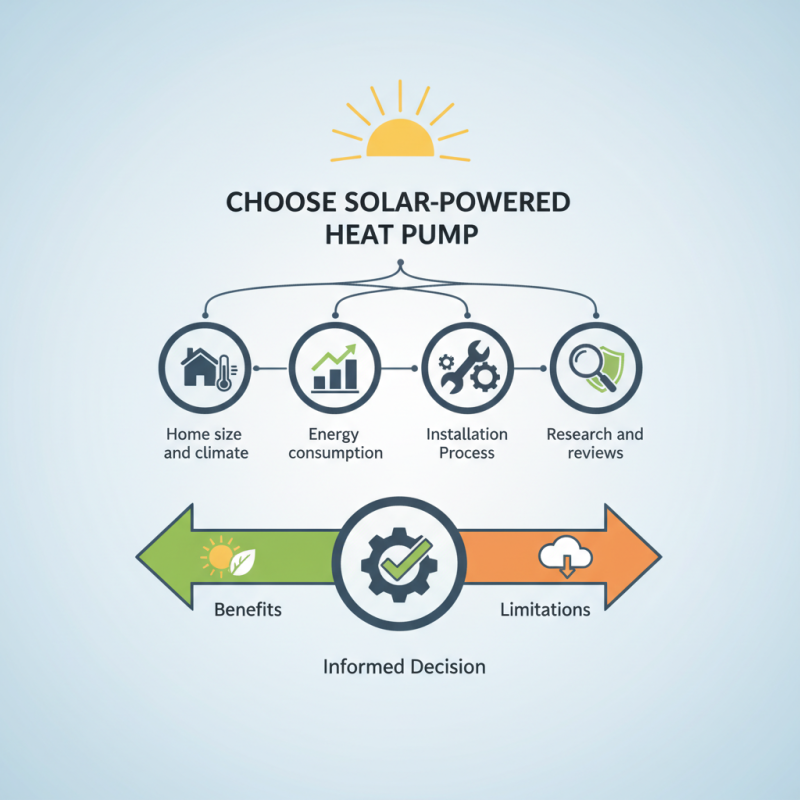
Choosing the right solar powered heat pump involves understanding your home's size, local climate, and energy consumption. Some units excel in warmer areas, while others are designed for colder regions. Additionally, the installation process can vary significantly. A poorly installed unit might not perform well, leading to dissatisfaction.
Research is essential. Look for brands with credible reviews and expert recommendations. This technology is evolving, and not every product on the market will meet high standards. Therefore, weighing both the benefits and limitations of different models is a vital step in making an informed decision.
Understanding Solar Powered Heat Pumps and Their Benefits
Solar-powered heat pumps are becoming popular due to their efficiency and eco-friendliness. A report from the International Energy Agency highlights that these systems can reduce utility costs by up to 40%. This is significant for homeowners who want to save money while reducing their carbon footprint.
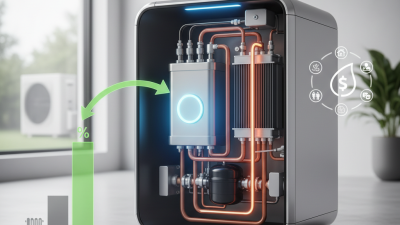
Understanding how solar-powered heat pumps work is vital. They use solar panels to harness sunlight and convert it into energy. This energy powers the heat pump, which can heat or cool your home. According to a 2022 energy report, systems incorporating solar energy have an average coefficient of performance (COP) of 4.2. This means they produce four times more energy than they consume. Such efficiency is appealing but may not be universally feasible for every household.
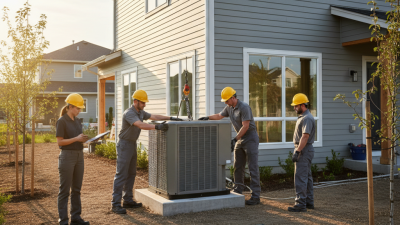
Installation can be complex, and not all locations receive sufficient sunlight year-round. In regions with less sunlight, the performance may not meet expectations. It's crucial to analyze local weather patterns before investing. Consulting with energy experts can provide insights into whether a solar-powered heat pump is the right choice for your specific needs. Being informed helps ensure you make an appropriate decision for your home’s heating and cooling requirements.
Evaluating Your Heating and Cooling Requirements
When choosing a solar powered heat pump, it’s critical to evaluate your heating and cooling requirements carefully. According to the U.S. Department of Energy, nearly 48% of household energy use is for heating and cooling. This staggering figure emphasizes the importance of selecting the right system to maximize efficiency. Estimating your home’s square footage, insulation quality, and local climate are key factors to determining your specific needs.
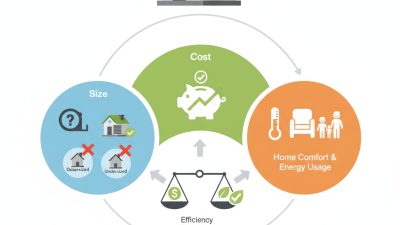
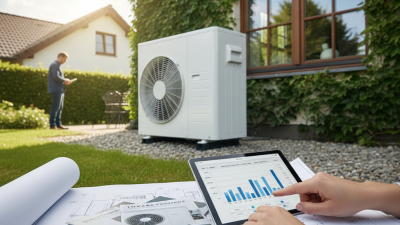
A study from the International Energy Agency found that proper sizing can increase efficiency by up to 30%. Oversized systems can lead to short cycling, which wastes energy and affects comfort levels. On the other hand, undersized systems may struggle to maintain temperatures, putting unnecessary strain on the unit. A well-calibrated unit can maintain comfortable indoor conditions while using renewable energy, making it both economical and environmentally friendly.
Additionally, consider your household patterns. Do you have large gatherings or need constant temperature control? Various models can cater to different lifestyles. Engaging with a qualified installer can provide valuable insights tailored to your unique situation. They can assess your home and recommend the best options. Your choice should not only focus on immediate comfort but also long-term energy savings and sustainability.
How to Choose the Best Solar Powered Heat Pump for Your Needs?
| Feature |
Description |
Importance |
| Heating Capacity |
The maximum heating output that the pump can provide, measured in BTUs. |
High |
| Cooling Capacity |
The maximum cooling output the pump can deliver, also measured in BTUs. |
High |
| Energy Efficiency Ratio (EER) |
The ratio of output cooling to electrical energy input, higher values indicate better efficiency. |
Very High |
| Seasonal Energy Efficiency Ratio (SEER) |
Measures the efficiency of air conditioning over a cooling season, higher ratings are better. |
Very High |
| Installation Costs |
The total cost to install the heat pump system, including labor and materials. |
Medium |
| Maintenance Requirements |
Frequency and type of maintenance needed for optimal operation. |
High |
| Noise Levels |
Measured in decibels (dB), lower levels are preferable for residential areas. |
Medium |
| Warranty |
Duration and terms of warranty offered by the manufacturer. |
High |
Key Features to Consider When Choosing a Heat Pump
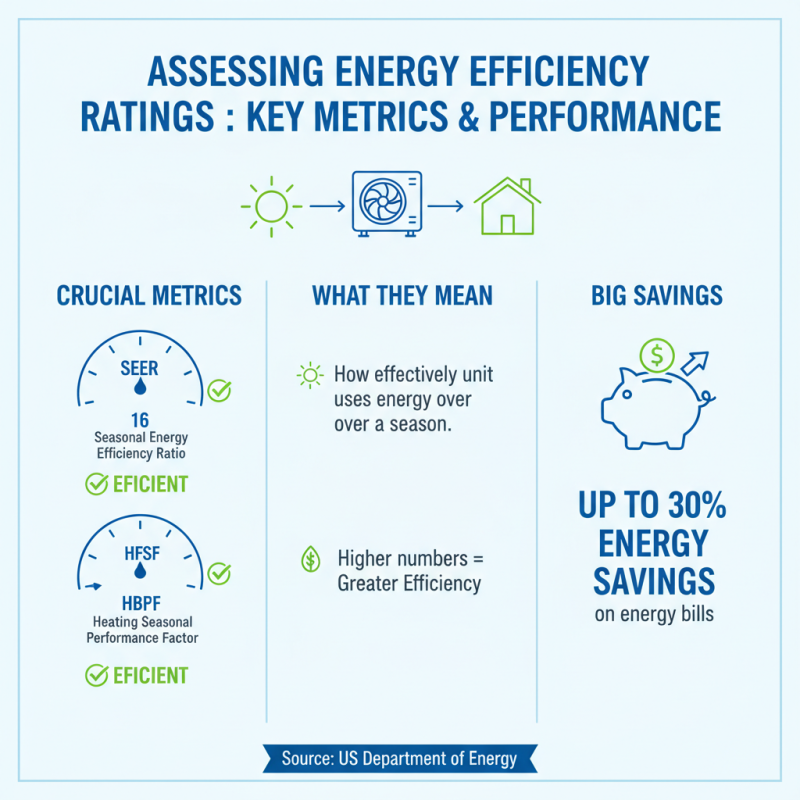
Choosing a solar-powered heat pump involves evaluating specific features that can impact performance and efficiency. One essential factor is the Seasonal Energy Efficiency Ratio (SEER). A higher SEER indicates better efficiency. A recent industry study found that systems with a SEER rating above 16 can reduce energy consumption by up to 40%. This can lead to significant cost savings over time.
Sizing is another crucial consideration. An improperly sized heat pump can lead to inefficiencies and higher operational costs. A report by the U.S. Department of Energy emphasizes that a heat pump should typically be sized according to the heating and cooling needs of the space it serves. Oversized units can cycle on and off frequently, damaging their components and reducing lifespan.
In addition to efficiency and sizing, look for additional features like variable-speed compressors. These can adjust their output based on demand, providing better comfort and energy savings. However, some consumers overlook the importance of regular maintenance. A lack of upkeep can undermine the performance of even the best-designed systems. Regular check-ups can ensure long-term reliability and steady performance, keeping your investment sound.
Energy Efficiency Ratings of Solar Powered Heat Pumps
Budgeting for Purchase and Installation Costs of Heat Pumps
Investing in a solar-powered heat pump can significantly reduce energy costs. However, budgeting for purchase and installation is crucial. According to the U.S. Department of Energy, installation costs for heat pumps typically range from $3,000 to $8,000, depending on system efficiency and your home’s specifications. This initial investment can be daunting, but incentives may offset expenses. Federal tax credits and state rebates can provide substantial savings.
Consider the lifecycle cost of your heat pump. An Energy Star-certified unit can save homeowners up to $500 annually on energy bills. To calculate long-term savings, factor in maintenance and operational costs. Many systems have warranties of 5 to 10 years. Still, unpredictable maintenance issues can arise, leading to additional expenses.
Tip: Get multiple quotes from contractors. This allows for comparison and can reveal price discrepancies. Check for reviews and energy efficiency ratings as well.
Another key step is to assess your home’s insulation. Good insulation can enhance your heat pump's performance and efficiency, ultimately saving you more money.
Understanding upfront and ongoing costs is essential. Take your time to research and weigh your options thoroughly. Sometimes the cheapest options don't always lead to long-term savings.