Why Choose Heat Pumps for Efficient Home Heating and Cooling Solutions?
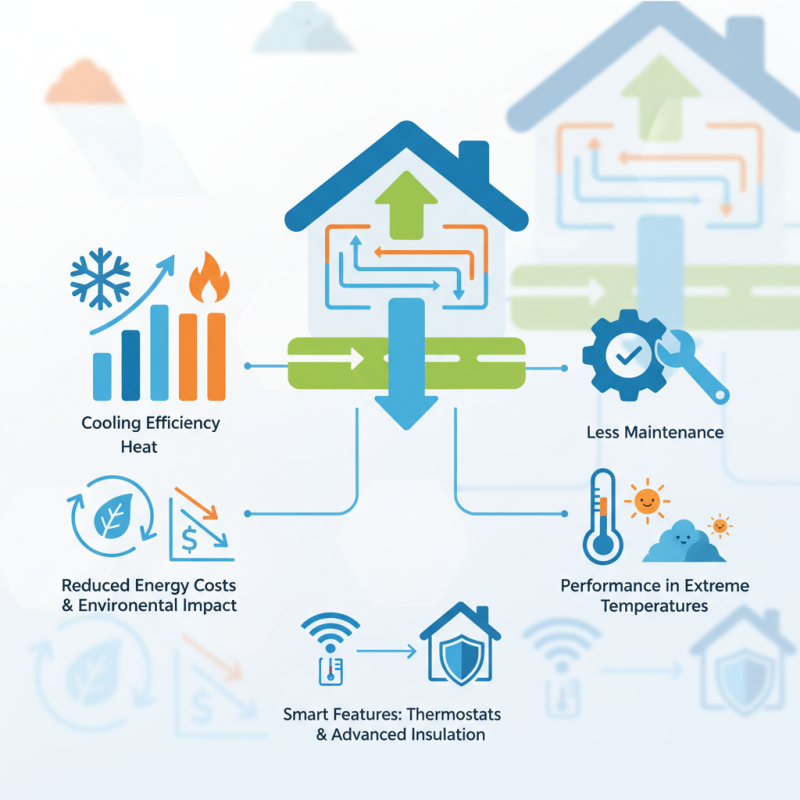
As homeowners seek efficient solutions for heating and cooling, heat pumps are becoming a popular choice. Industry expert Dr. Emily Grant emphasizes their effectiveness, stating, “Heat pumps utilize renewable energy to provide both heating and cooling efficiently.” This technology has proven to reduce energy costs and environmental impact significantly.
Heat pumps work by transferring heat rather than generating it. This process makes them highly efficient, capable of providing comfort throughout the year. Moreover, they require less maintenance compared to traditional systems. However, some homeowners may question their performance in extreme temperatures. While heat pumps excel in moderate climates, their efficiency can decrease in severe cold.
Innovative features continue to enhance heat pump technology. Smart thermostats and advanced insulation can maximize their benefits. Overall, the transition to heat pumps requires thoughtful consideration. Understanding the balance between efficiency and potential drawbacks is crucial for informed decision-making.
Benefits of Heat Pumps for Home Heating and Cooling Efficiency
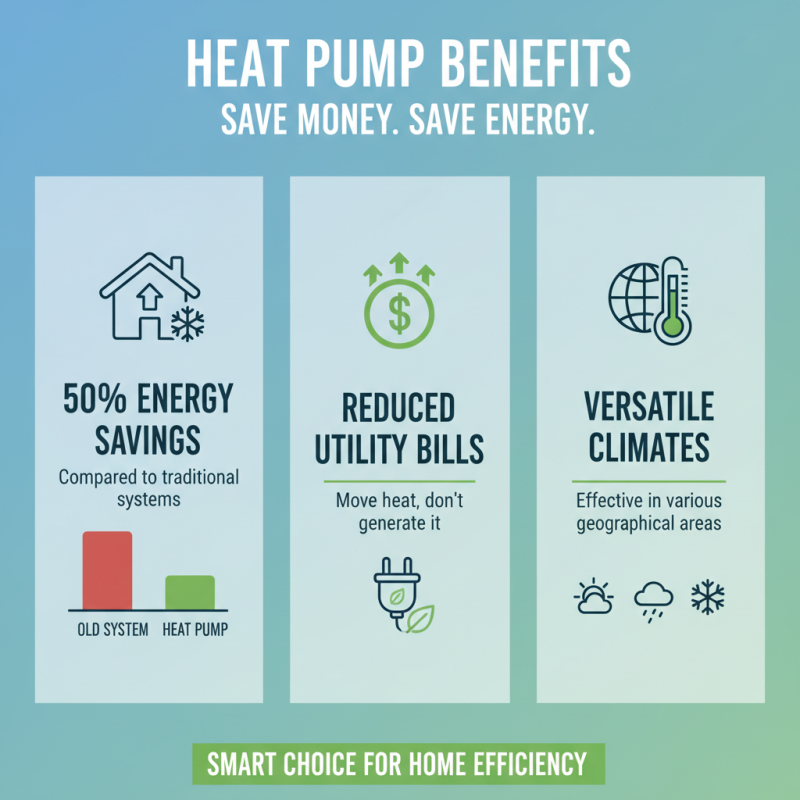
Heat pumps are becoming a popular choice for efficient home heating and cooling. They offer significant benefits that can enhance your living space. One major advantage is energy efficiency. Heat pumps transfer heat instead of generating it, which uses less energy. This can lead to lower utility bills, helping homeowners save money. In climates with moderate heating and cooling needs, heat pumps can work remarkably well.
For optimal efficiency, regular maintenance is vital. Check filters monthly and clean them as needed. Schedule professional maintenance yearly to ensure the system operates smoothly. It’s also important to look for the right size heat pump. A system that’s too big or too small can lead to inefficiency and increased costs.
Consider the environmental impact as well. Heat pumps produce fewer greenhouse gases compared to traditional heating methods. However, if the electricity source is not renewable, the benefits are lessened. It's necessary to reflect on your energy consumption and explore cleaner options whenever possible. Investing in heat pumps can be rewarding but understanding their limitations is equally important.
Energy Efficiency of Heating and Cooling Solutions
This chart illustrates the annual energy consumption in kilowatt-hours (kWh) for various heating and cooling solutions. As shown, heat pumps are significantly more efficient compared to electric heaters and gas furnaces, making them an ideal choice for sustainable home heating and cooling.
Understanding How Heat Pumps Work in Climate Control
Heat pumps have become a popular choice for efficient home heating and cooling solutions. Understanding how they work is crucial for homeowners looking to optimize their climate control. These systems transfer heat instead of generating it. They absorb heat from the air, ground, or water, even in cold temperatures, and move it indoors. This method is significantly more efficient than traditional systems, offering energy savings up to 50%, as noted in the U.S. Department of Energy reports.
One key aspect is their dual functionality. During warmer months, heat pumps can reverse the process, cooling your home by extracting heat from indoors. This versatility makes heat pumps a cost-effective option throughout the year. According to the American Society of Heating, Refrigerating and Air-Conditioning Engineers (ASHRAE), their efficiency in both heating and cooling can lead to substantial energy bill reductions.
Tips: Ensure the correct sizing of your heat pump. An oversized unit may cycle too frequently, reducing efficiency. Regular maintenance is vital. Dirty filters can hinder performance and increase energy usage. Investing in a programmable thermostat may further enhance efficiency, adapting to your lifestyle and needs.
While heat pumps are generally reliable, they may need supplemental heating in extreme cold. Homeowners should weigh potential drawbacks and benefits. Hence, thorough research and professional guidance are essential for optimal outcomes.
Comparing Heat Pumps with Traditional Heating and Cooling Systems
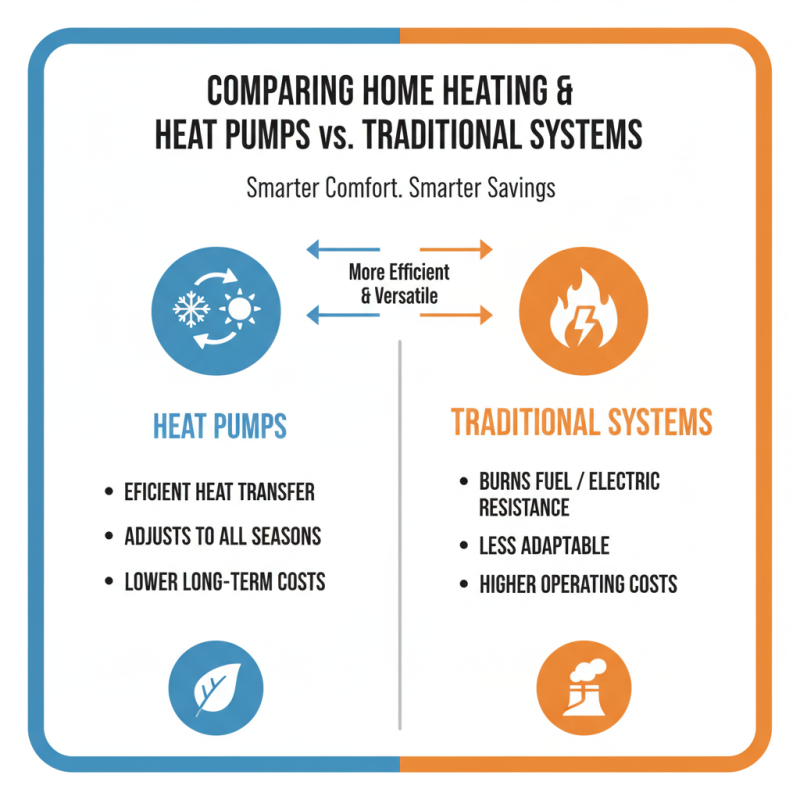
When considering home heating and cooling options, heat pumps emerge as a compelling choice. They efficiently transfer heat, making them ideal for various climates. In contrast to traditional systems, heat pumps adjust easily to seasonal changes, resulting in consistent indoor comfort. Conventional systems often rely on burning fuel or electric resistance heating, which can be less efficient and more costly in the long run.
Tips: Regular maintenance is crucial. Clean or replace filters monthly to optimize performance. Small issues, if overlooked, can lead to larger problems. Another tip is to consider your home's insulation. Adequate insulation can significantly enhance the efficiency of heat pumps, thus reducing energy bills.
Overall, heat pumps remain a forward-thinking solution. They use less energy than traditional systems. However, it's essential to evaluate your specific needs and local climate. Not all homes might be suited for heat pump installation, and a professional consultation can provide valuable insights into the best approach for your home.
Cost-Effectiveness and Energy Savings of Using Heat Pumps
Heat pumps have become a popular choice for both heating and cooling homes efficiently. They utilize electricity to move heat rather than generate it. This method often leads to significant energy savings. Many homeowners can reduce their energy costs by up to 50% compared to traditional systems. Heat pumps can operate effectively in various climates, making them versatile and suitable for different geographical areas.
The upfront cost of installing a heat pump can be a concern for some. However, many users find that lower energy bills balance out initial expenses over time. Additionally, heat pumps require less maintenance than conventional heating systems. The technology continues to evolve, offering more reliable performance with efficiency gains. With the right information and support, the transition can be smooth and beneficial.
It’s essential to consider local climate conditions when deciding on a heat pump. In colder regions, performance may vary. Understanding these nuances is crucial for homeowners. Additionally, relying solely on manufacturers’ data without personal research can lead to disappointment. It's vital to consult professionals and gather multiple opinions before making a decision.
Environmental Impact and Sustainability of Heat Pump Systems
Heat pumps have emerged as a viable option for efficient home heating and cooling. Their environmental impact is a key consideration. Unlike traditional heating systems, heat pumps utilize renewable energy sources, reducing greenhouse gas emissions. This transition to cleaner energy helps combat climate change, making heat pumps an appealing choice for eco-conscious homeowners.
One notable aspect is their energy efficiency. Heat pumps can provide up to three times more energy than they consume. This efficiency lowers energy bills and lessens dependence on fossil fuels. However, not all heat pumps are created equal. Their effectiveness can vary based on geographical location and installation quality. It's essential to assess local climate conditions when choosing a system.
Sustainability also plays a crucial role in the conversation. While heat pumps are generally more environmentally friendly, they still require electricity, which may come from non-renewable sources. As the grid works towards greener options, the overall impact of heat pumps will improve. There's a continuous need for advancements in technology and infrastructure to fully realize their potential. Embracing heat pumps presents opportunities and challenges that warrant further exploration.
Why Choose Heat Pumps for Efficient Home Heating and Cooling Solutions?
| Dimension |
Heat Pumps |
Traditional Systems |
| Energy Efficiency Rating (SEER/HSPF) |
Up to 20/10 |
13/7 |
| Average Annual Operating Cost ($) |
600 |
900 |
| CO2 Emissions (tons/year) |
2.5 |
5.0 |
| Lifespan (years) |
15-20 |
10-15 |
| Installation Cost ($) |
7,000 - 15,000 |
5,000 - 12,000 |