Why Choose a Gas Heat Pump for Your Home Heating Needs?
As homeowners seek energy-efficient solutions, the gas heat pump emerges as a compelling option. According to the U.S. Department of Energy, these systems can achieve efficiencies over 150%. This means they provide more heating energy than the electrical energy they consume. In practical terms, a gas heat pump can significantly lower your energy bills while maintaining comfort in your home.
Choosing a gas heat pump not only supports energy savings but also reduces carbon footprints. A report from the International Energy Agency shows that electrification is a key strategy for reducing greenhouse gas emissions. However, gas heat pumps contribute to this while still relying on existing natural gas infrastructure. This dual approach raises questions about long-term sustainability.
While gas heat pumps offer numerous benefits, they are not without drawbacks. The initial installation costs can be higher compared to traditional heating systems. Moreover, not every home is suitable for gas heat pumps, requiring careful evaluation. As technology advances, the efficiency and usability of these systems will continue to evolve, potentially addressing current limitations.
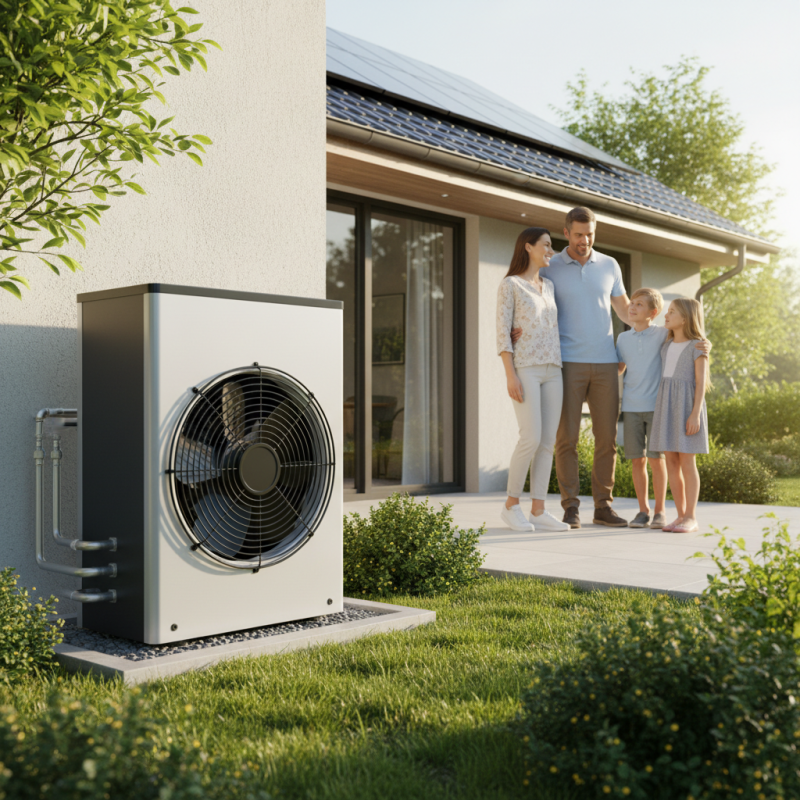
Benefits of Gas Heat Pumps in Residential Heating Solutions
Gas heat pumps offer numerous benefits for residential heating. They effectively transfer heat, providing a consistent indoor temperature. According to the U.S. Department of Energy, these systems can be 30% more efficient than traditional heating methods. This efficiency can lead to significant savings on energy bills.
Another advantage is their eco-friendliness. Gas heat pumps emit fewer greenhouse gases compared to standard heating systems. A recent report by the International Energy Agency highlights this, noting a shift toward more sustainable heating solutions. Homeowners can enjoy warmth while reducing their carbon footprint.
Tip: Regular maintenance can enhance efficiency. Clean filters and check ducts frequently to ensure optimal performance. Also, consider insulation improvements to minimize heat loss, making your home more comfortable.
However, gas heat pumps may not be ideal for every home. Their initial installation cost can be high. Additionally, some areas may have limited access to natural gas. Weighing these factors is crucial before making a decision. Adjustments to your current heating system may also be necessary.
Comparison of Gas Heat Pumps and Traditional Heating Systems
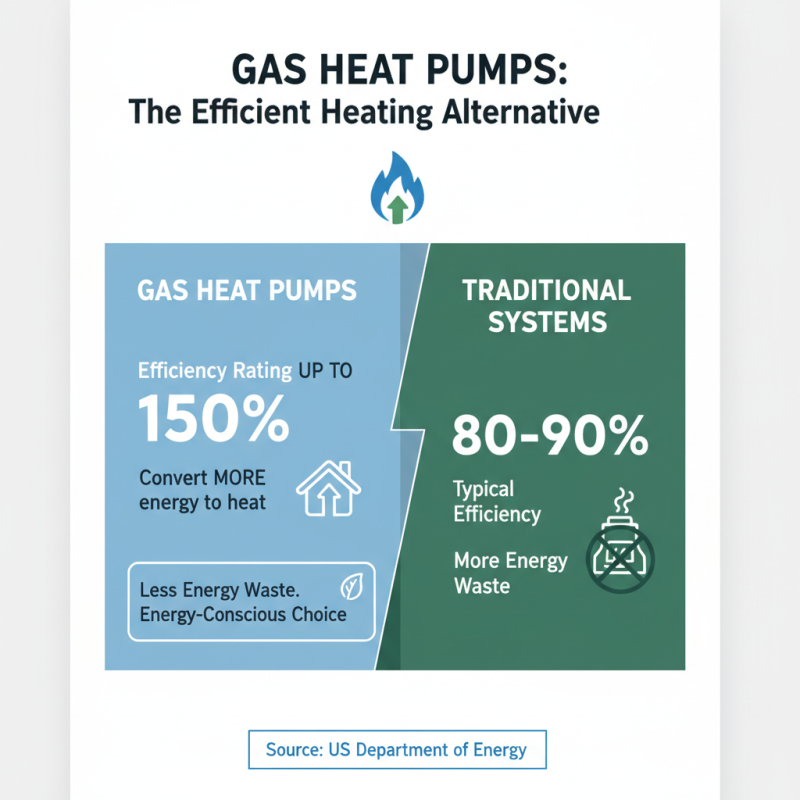
Gas heat pumps are gaining traction as an efficient alternative to traditional heating systems. According to the Department of Energy, gas heat pumps can achieve efficiency ratings of up to 150%. This means they convert more energy into heat, wasting less in the process. Traditional systems typically range from 80% to 90%, making gas heat pumps a more favorable option for energy-conscious homeowners.
When comparing upfront costs, gas heat pumps may require a higher initial investment. However, over time, their operational efficiency can lead to significant savings on energy bills. A study by the National Renewable Energy Laboratory indicates that homeowners can save up to 40% annually on heating costs when switching to a gas heat pump. Despite the initial cost, the long-term benefits are compelling.
Tip: Consider energy incentives in your area. Many regions offer rebates for high-efficiency systems. Additionally, make sure your home is well-insulated to maximize energy savings.
Some homeowners face challenges when transitioning to gas heat pumps. Installation can be complex, potentially requiring additional ductwork or modifications to existing systems. It’s essential to assess your home’s compatibility before making the switch. Regular maintenance can also pose a hurdle. Gas heat pumps require distinct care, different from traditional furnaces.
Energy Efficiency Ratings of Gas Heat Pumps: An Overview
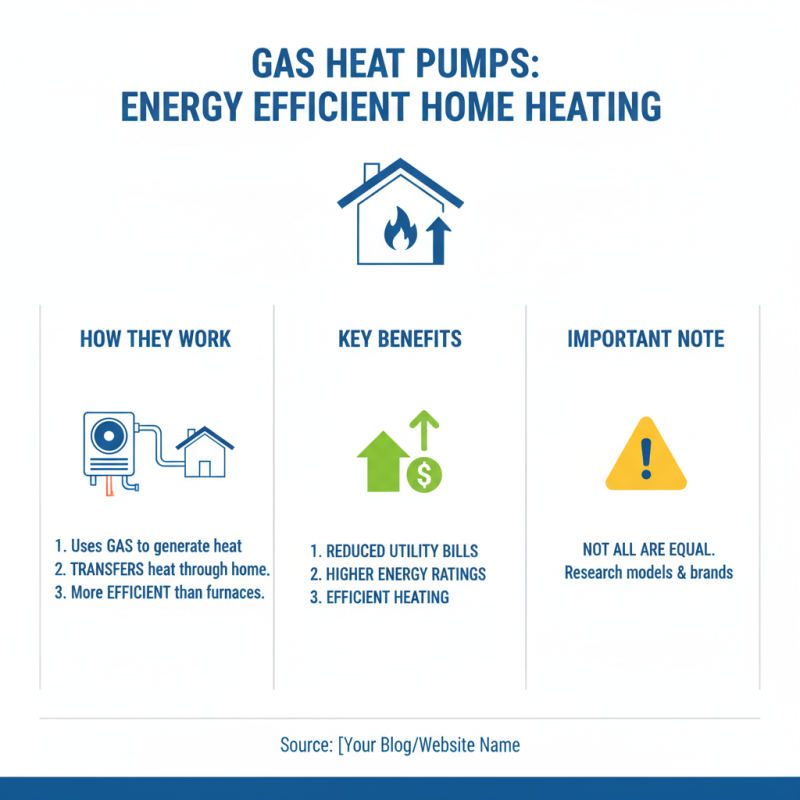
When considering home heating options, gas heat pumps stand out for their energy efficiency. These systems utilize gas to generate heat and transfer it through the home. Their energy efficiency ratings are often higher than traditional gas furnaces. Many homeowners appreciate how they can effectively reduce utility bills. However, not all gas heat pumps are created equal.
Understanding the energy efficiency ratings is crucial. These ratings, such as the Annual Fuel Utilization Efficiency (AFUE), indicate how effectively the system converts energy into heat. A higher AFUE means better efficiency. Some models boast ratings above 95%. This can lead to significant savings. Yet, it’s essential to be cautious. Sometimes, focusing solely on these ratings overlooks the real-world performance in varying climates. Efficiency can also vary based on installation quality.
Choosing the right system involves more than just numbers. Home insulation, local climate, and specific heating needs play a role. Homeowners should carefully assess their requirements. They may find a model that seems perfect on paper does not perform well in practice. It is vital to consider customer reviews and potentially seek expert advice before making a purchase.
Cost Analysis: Initial Investment vs. Long-Term Savings in Gas Heating
When considering a gas heat pump, the initial investment can be daunting. The purchase price might seem high compared to traditional heating systems. Homeowners often worry about upfront costs. However, this choice could pay off in the long run.
Gas heat pumps are known for their efficiency. They often consume less energy than electric systems. Lower monthly utility bills can be a pleasant surprise. Over time, these savings can offset the initial investment. For many, this balance of costs creates a compelling argument for gas heating.
Yet, it’s not without challenges. Some may find that installation requires careful planning and adjustments. Maintenance is necessary to keep the system efficient. Skipping regular check-ups can lead to unexpected costs. Balancing these factors is crucial. Homeowners must weigh both short-term and long-term expenses carefully. Each decision impacts future comforts and budgeting.
Why Choose a Gas Heat Pump for Your Home Heating Needs? - Cost Analysis: Initial Investment vs. Long-Term Savings in Gas Heating
| Heating System Type |
Initial Investment ($) |
Average Annual Operating Cost ($) |
Maintenance Cost per Year ($) |
Estimated Lifespan (Years) |
Total Cost over 15 Years ($) |
| Gas Heat Pump |
$4,500 |
$800 |
$150 |
20 |
$15,250 |
| Traditional Gas Furnace |
$3,000 |
$1,200 |
$200 |
15 |
$20,800 |
| Electric Heat Pump |
$5,000 |
$1,000 |
$180 |
15 |
$21,000 |
Environmental Impact of Gas Heat Pumps Compared to Other Heating Options
When considering home heating options, gas heat pumps present a compelling choice. They provide substantial energy savings and lower greenhouse gas emissions compared to traditional systems. According to the U.S. Department of Energy, gas heat pumps can be up to 30% more efficient than electric systems. This efficiency translates into lower utility bills and a reduced carbon footprint.
Environmental impact is a significant factor in choosing heating systems. Studies show that gas heat pumps typically emit less carbon dioxide compared to conventional gas furnaces. The Environmental Protection Agency suggests that if gas heat pumps replaced electric resistance heating, overall emissions could drop by 10–20%. However, geographic factors must be considered, as heat pump efficiency can vary in different climates.
Yet, some challenges remain. Installation costs can be higher upfront, and not all homes can accommodate gas heat pumps efficiently. Furthermore, the reliance on natural gas raises concerns about sustainability. Transitioning to renewable sources could mitigate some of these issues, yet solutions are still evolving. Homeowners need to weigh these factors carefully before making a decision.
Environmental Impact of Gas Heat Pumps Compared to Other Heating Options
This chart compares the CO2 emissions from various heating options, highlighting the environmental impact of gas heat pumps relative to electric alternatives and traditional heating methods.