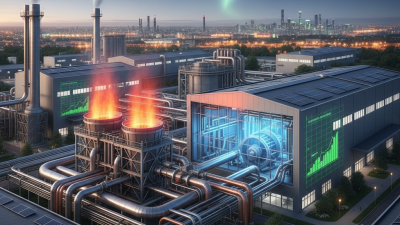
China Top 10 Waste Heat Recovery System Manufacturers
China’s waste heat recovery system industry has developed alongside steel, cement, chemicals, glass, and power generation. Manufacturers now offer equipment for exhaust gases, hot water, steam, and high-temperature process air. Their solutions can reduce fuel consumption while improving energy utilization across demanding industrial sites.
This guide reviews ten leading Chinese manufacturers connected with waste heat recovery system design and production. The assessment considers engineering experience, product range, heat-transfer performance, safety controls, customization ability, and service support. It also considers documented projects, testing practices, certifications, and communication with overseas customers. These details matter when a system must operate beside a dusty kiln or corrosive chemical line.
Real projects are rarely perfect. Operating temperatures can fluctuate. Fouling may appear earlier than expected. A supplier with impressive equipment may still lack strong commissioning support. That weakness deserves attention. Therefore, this overview does not rely on marketing language alone. It encourages readers to compare thermal calculations, material selections, maintenance access, delivery records, and long-term performance evidence.
Some manufacturers specialize in boilers and steam generation. Others focus on heat exchangers, organic Rankine cycle units, or industrial air preheaters. Their strengths differ by application. A suitable choice should match the waste stream, available space, pressure requirements, and local regulations. Buyers should request verified data before making technical or financial decisions. The following manufacturers provide a practical starting point for deeper evaluation.
What Is a Waste Heat Recovery System?
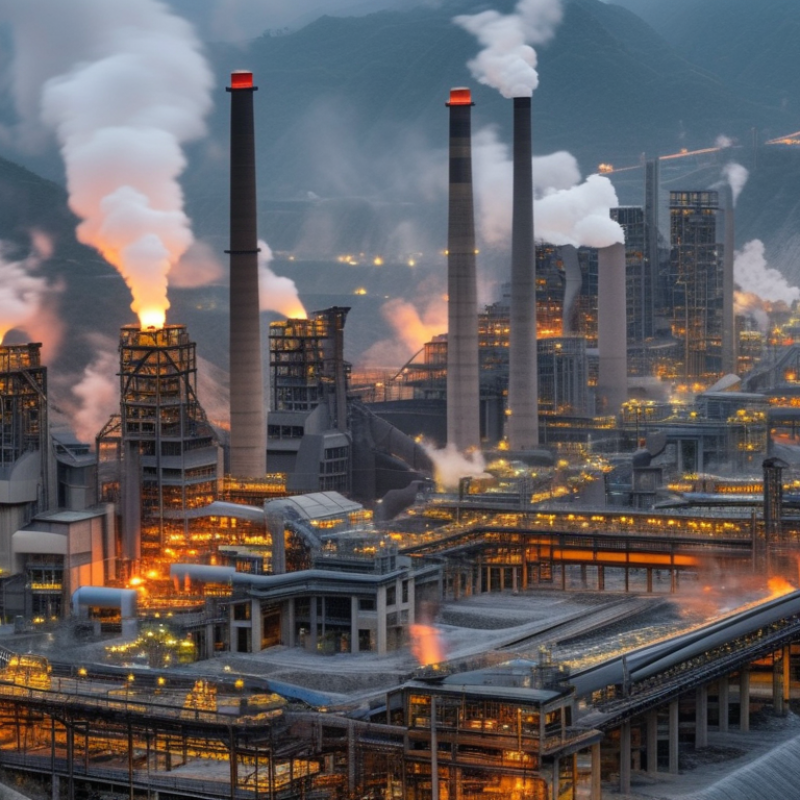
A waste heat recovery system captures heat that would otherwise leave an industrial process through exhaust gas, hot water, or steam. It transfers this energy to another useful process instead of releasing it into the atmosphere. Common equipment includes heat exchangers, economizers, waste heat boilers, and organic Rankine cycle units.
In a factory, a heat exchanger may use 300°C flue gas to preheat combustion air or feedwater. This reduces fuel demand and can improve overall thermal efficiency. Engineers usually inspect gas temperature, flow rate, pressure, moisture, and chemical composition before selecting equipment. These details matter. Dirty gas can quickly create deposits, while acidic compounds may cause corrosion. A system that ignores these risks may require frequent shutdowns.
Actual performance depends on operating conditions, not brochure figures. A design can look excellent on paper and still disappoint. Seasonal production changes, unstable exhaust temperatures, and limited maintenance space often reduce recovered energy. Skilled teams therefore install temperature sensors, pressure gauges, and flow meters at key points. They compare measured results with the original heat balance. Small errors become visible.
Safety also requires careful control. Excessive back pressure can affect upstream machinery, and overheated surfaces need insulation and guarding. Regular cleaning keeps heat transfer stable. In my view, the best system is not always the largest one. It is the system matched to a reliable heat source, practical maintenance routines, and the facility’s real energy demand.
How China’s Waste Heat Recovery Market Is Structured
China Top 10 Waste Heat Recovery System Manufacturers
China’s waste heat recovery market is structured around industrial demand, regional supply chains, and project-based engineering. Cement, steel, glass, chemicals, and power plants remain major buyers. Their exhaust gases often exceed 300°C, creating practical opportunities for steam generation or electricity production.
The supplier base has several layers. Large engineering contractors manage design, procurement, installation, and commissioning. Specialized manufacturers produce heat exchangers, boilers, turbines, fans, and control systems. Regional fabricators support customized pressure vessels and ductwork. Research institutes often help with process simulation and energy audits. This structure allows flexible pricing, but quality can vary between suppliers.
Field evaluations show that project experience matters more than catalogue capacity. A reliable manufacturer should explain corrosion control, dust handling, pressure loss, and maintenance access. It should also provide measured performance data from comparable facilities. The market is not perfectly transparent. Some efficiency claims depend on ideal gas conditions, not daily operation. That deserves scrutiny. Smaller buyers may also underestimate installation downtime and after-sales support. Procurement teams increasingly compare lifecycle cost, local service coverage, certification, and spare-part availability before selecting a supplier.
Evaluation Criteria for the Top 10 Manufacturers
When evaluating China’s top waste heat recovery system manufacturers, start with measurable engineering evidence. The U.S. Department of Energy reports that industrial facilities may lose 20% to 50% of energy input as waste heat. This makes recovery efficiency a serious selection factor. Check tested thermal output, operating temperature range, pressure tolerance, and performance under changing loads. A strong supplier should provide factory data, field references, material specifications, and documented commissioning results.
Reliability deserves equal weight. The IEA’s Energy Efficiency 2023 report states that industry represented about 37% of global final energy consumption in 2022. Even short shutdowns can therefore affect production and emissions targets. Compare availability, maintenance intervals, corrosion protection, control-system integration, and spare-parts support. Evaluate total lifecycle cost, not only the purchase price. Independent testing, traceable calculations, and transparent warranty terms strengthen credibility. However, no universal scoring model fits every factory. A system proven in cement production may perform poorly in a chemical plant.
Tips: Request twelve months of operating data from comparable installations. Ask how efficiency was measured. Confirm whether reported results include fan power, pumping energy, and cleaning downtime. Inspect the supplier’s engineering records before signing. Small omissions matter. Capture payback under realistic fuel prices, not optimistic forecasts. Also review training quality and remote monitoring access, because field support often determines long-term performance.
China Top 10 Waste Heat Recovery System Manufacturers - Evaluation Criteria for the Top 10 Manufacturers
| No. | Evaluation Criterion | Weight | What Should Be Verified | Relevant Performance Data | Recommended Evidence | Scoring Guidance |
|---|---|---|---|---|---|---|
| 01 | Technical Design Capability | 15% | Ability to design systems for cement, steel, glass, petrochemical, biomass, and other industrial exhaust conditions. | Process simulation, heat-balance calculations, gas composition analysis, fouling assessment, and equipment sizing. | Engineering calculations, application references, process-flow diagrams, and independent technical reviews. | 5 = proven multi-industry design capability; 1 = standard or limited application design. |
| 02 | Heat-Recovery Efficiency | 15% | Effectiveness of recovering usable thermal energy from exhaust gas, flue gas, hot air, or process streams. | Recovered heat duty in kW or MW, outlet temperatures, heat-transfer effectiveness, and annual operating hours. | Guaranteed performance data, acceptance-test reports, heat-balance sheets, and operating records. | 5 = independently verified performance close to the guaranteed duty; 1 = unsupported estimates. |
| 03 | Equipment Reliability | 12% | Capability to maintain stable operation under thermal cycling, vibration, dust loading, corrosion, and continuous-duty conditions. | Availability, unplanned shutdown frequency, design life, inspection intervals, and critical-component quality. | Long-term operating records, maintenance logs, failure statistics, and warranty terms. | 5 = strong documented operating history; 1 = limited evidence or repeated reliability issues. |
| 04 | Energy-Saving and Emissions Benefits | 10% | Contribution to lower fuel consumption, reduced purchased electricity, and improved overall plant energy intensity. | Fuel savings, electricity generation or displacement, avoided CO₂ emissions, and specific energy consumption before and after installation. | Measured baseline data, post-installation reports, energy audits, and emissions calculations. | 5 = verified plant-level savings; 1 = theoretical benefits without measured results. |
| 05 | Manufacturing and Quality Control | 10% | Control of material selection, welding, pressure-boundary fabrication, dimensional accuracy, and final inspection. | Quality-control checkpoints, non-destructive testing, pressure testing, material traceability, and production capacity. | Factory audit results, inspection and test plans, welding qualifications, and material certificates. | 5 = documented and auditable quality system; 1 = incomplete manufacturing controls. |
| 06 | Safety and Compliance | 10% | Compliance with applicable pressure, electrical, machinery, environmental, and occupational-safety requirements. | Pressure rating, relief protection, interlocks, emergency shutdown logic, guarding, and relevant conformity documentation. | Certificates, risk assessments, inspection reports, control-system documentation, and statutory approvals. | 5 = complete project-specific compliance package; 1 = major documentation gaps. |
| 07 | Customization and System Integration | 10% | Ability to integrate heat exchangers, waste-heat boilers, economizers, turbines, dryers, thermal-oil units, or hot-water systems. | Interface compatibility, control integration, footprint, pressure drop, bypass arrangement, and plant shutdown requirements. | General arrangement drawings, interface lists, control narratives, and site-installation plans. | 5 = fully engineered turnkey integration; 1 = equipment-only supply with limited support. |
| 08 | Installation and Commissioning Support | 8% | Ability to support transportation, installation, pre-commissioning, performance testing, operator training, and ramp-up. | Commissioning schedule, site-service coverage, training hours, start-up procedures, and acceptance-test methodology. | Project execution plan, commissioning records, training materials, and customer acceptance certificates. | 5 = structured site support and documented handover; 1 = minimal post-delivery assistance. |
| 09 | Lifecycle Service and Spare Parts | 5% | Availability of preventive maintenance, inspection, repair, retrofit, remote assistance, and replacement parts. | Response time, spare-parts lead time, service network, recommended inventory, and maintenance documentation. | Service-level agreements, spare-parts lists, maintenance schedules, and support contact structure. | 5 = responsive and well-documented lifecycle service; 1 = weak after-sales capability. |
| 10 | Total Cost of Ownership | 5% | Comparison of purchase price, installation cost, operating cost, maintenance cost, downtime risk, and expected payback. | Capital expenditure, operating expenditure, annual savings, maintenance budget, useful life, and simple payback period. | Itemized quotations, lifecycle-cost models, energy-price assumptions, and sensitivity analysis. | 5 = transparent and competitive lifecycle economics; 1 = unclear costs or unrealistic assumptions. |
| Total Evaluation Weight | 100% | Recommended scoring method: Weighted Score = Criterion Weight × Manufacturer Rating ÷ 5. Rank manufacturers by the final weighted score after verifying project-specific evidence. | ||||
China’s Top 10 Waste Heat Recovery System Manufacturers
China’s Top 10 Waste Heat Recovery System Manufacturers represent a broad industrial field, not a single technology. These manufacturers typically design heat exchangers, waste heat boilers, organic Rankine units, and integrated control systems. Their projects serve cement plants, steel mills, glass factories, refineries, and high-temperature process lines. In practical audits, strong proposals begin with measured exhaust temperature, flow rate, dust content, and operating hours. Generic estimates can mislead. Site data matters.
A reliable manufacturer should explain thermal efficiency, pressure loss, materials, cleaning access, and maintenance intervals. Engineering teams should also verify welding standards, inspection records, emissions interfaces, and after-sales response times. Experience appears in details: a service door near a fouled tube bundle, insulation suited to local humidity, or controls handling unstable production. Some suppliers present impressive recovery percentages without showing seasonal performance. That deserves careful questioning. Numbers need context. Even careful designs can underperform when fuel quality changes.
Tips: Request a heat-balance calculation based on twelve months of operating data. Compare guaranteed output with expected degradation from dust and scaling. Ask for references from similar furnaces, not merely similar industries. Keep contingency space for future process changes. A perfect forecast is unlikely.
How to Select a Suitable Chinese Manufacturer
China Top 10 Waste Heat Recovery System Manufacturers
How to Select a Suitable Chinese Manufacturer
Selecting a Chinese waste heat recovery system manufacturer requires more than comparing prices. Start with your actual operating data, including gas temperature, flow rate, pressure, dust content, and working hours. A reliable supplier should explain heat-transfer efficiency, pressure loss, material selection, and expected maintenance needs. Ask for engineering drawings and tested performance data, not only attractive brochures. Factory experience with similar industries can reduce design mistakes.
I have learned that a low quotation may hide costs for installation, spare parts, or control upgrades. Request project references with comparable heat sources and operating conditions. Check production capacity, quality-control procedures, welding standards, inspection records, and export experience. Video meetings help, but an independent factory audit is more convincing. It is not always possible. Still, it can reveal workshop organization, testing equipment, and assembly quality. Certifications matter, yet certificates alone cannot prove reliable performance.
Tips: Share complete process data before requesting a quotation. Confirm warranty coverage, delivery stages, commissioning support, and response times in writing. Ask how the manufacturer handles fouling, corrosion, thermal expansion, and unexpected shutdowns. Compare total lifecycle cost instead of purchase price. A technically strong supplier should welcome difficult questions and admit design limitations. That honesty is valuable. Also, keep communication records and approve every technical change before production, because small assumptions can become expensive corrections.
Related Posts
-
Top 10 Benefits of Waste Heat Recovery System for Energy Efficiency
-

How to Choose the Best Solar Heat Pump for Your Home?
-

Why Are Heat Pumps Popular in Colorado?
-

What is Geothermal Heating and How Does It Work?
-

Top Benefits of Geothermal Heat Pump System for Homeowners?
-
2026 How to Choose the Best Spa Heat Pump for Your Needs?