Best Energy Efficient Heat Pumps for Saving Money?
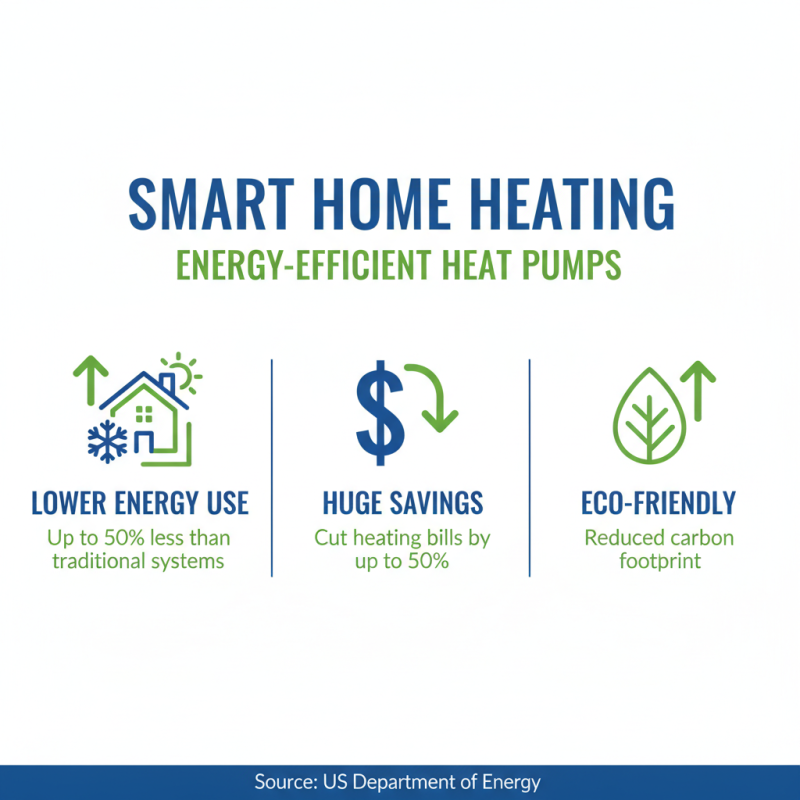
The demand for energy efficient heat pumps is rising. With increasing energy costs, homeowners seek effective solutions. According to the U.S. Department of Energy, heat pumps can reduce energy usage by up to 50% compared to conventional heating systems. This significant reduction translates to substantial savings on utility bills.
Experts emphasize the importance of selecting the right model. "Investing in an energy efficient heat pump is a smart choice for both the environment and your wallet," says Dr. Emily Wood, a renewable energy researcher. Her insights highlight the dual benefits of cost reduction and environmental sustainability.
However, the market offers many options, which can be overwhelming. Not all heat pumps are built the same; some may not deliver the efficiency promised. Consumers often face challenges understanding specifications. Identifying truly energy efficient models requires careful research and consideration. Ultimately, finding the right heat pump should balance efficiency, cost, and practicality.
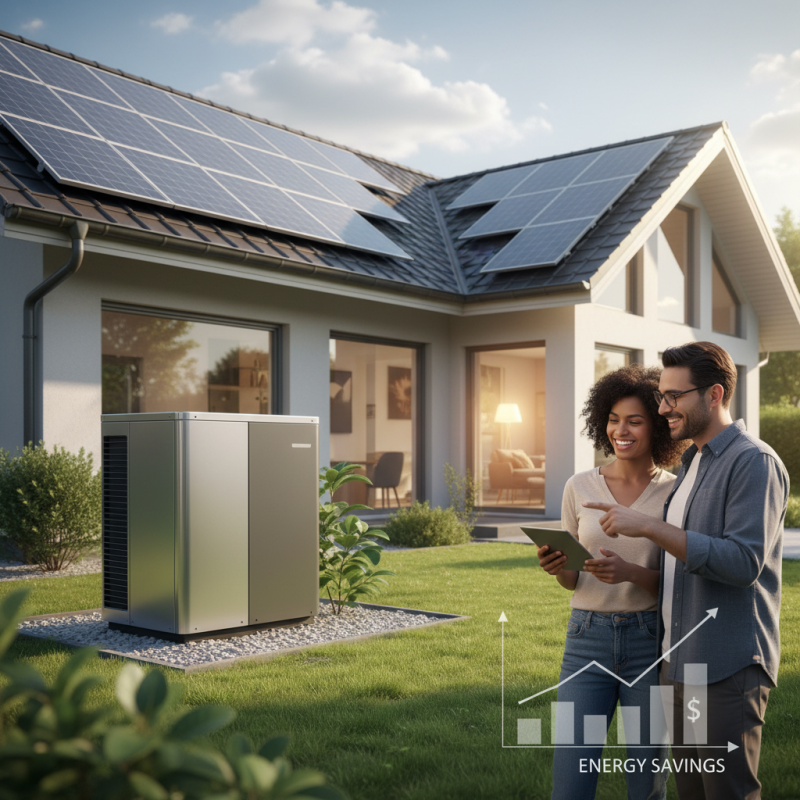
Best Energy Efficient Heat Pumps: Overview of Types and Technologies
When exploring energy-efficient heat pumps, it's crucial to understand the different types and technologies.
Air-source heat pumps extract warmth from the outside air. They can be effective even in colder climates.
Ground-source heat pumps take advantage of the earth's stable temperature. These systems require more upfront investment but can offer significant long-term savings.
Hybrid systems combine both air and ground sources. They switch between methods based on efficiency needs. This flexibility can optimize energy use. However, installation can be complex and requires careful planning.
Ductless mini-split systems are another type. They work well in homes without existing ductwork, providing targeted heating and cooling.
Each system has its pros and cons. Air-source models are easier to install but might struggle in extreme cold.
Ground-source options offer high efficiency but need space for installation.
Sometimes, the initial costs can be off-putting. It's essential to assess your home's layout and needs carefully before deciding.
Real-life experiences often reveal that what works on paper does not always yield the desired savings in practice.
Key Benefits of Energy Efficient Heat Pumps for Homeowners
Energy efficient heat pumps offer significant benefits to homeowners. Their design allows for lower energy consumption compared to traditional heating systems. According to the U.S. Department of Energy, switching to these systems can reduce heating bills by up to 50%. This figures show considerable savings that can be especially beneficial during harsh winter months.
In addition to cost savings, heat pumps also contribute to environmental sustainability. They utilize renewable energy sources, such as ambient air and ground heat. A study by the Environmental Protection Agency highlights that for every unit of electricity consumed, heat pumps can transfer three units of heat. Homeowners not only cut costs but also lower carbon emissions, making this option greener.
However, homeowners must assess their specific needs. Factors like home size and insulation can impact efficiency. Not all properties benefit equally from heat pumps. Ongoing maintenance is crucial to ensure optimal performance. Neglecting care can lead to lesser efficiency and higher long-term costs. It’s important to weigh these aspects before making a decision.
Cost Savings Analysis: Comparing Heat Pumps vs. Traditional Heating Systems
When comparing heat pumps to traditional heating systems, the cost savings can be significant. According to the U.S. Department of Energy, heat pumps can reduce energy bills by up to 50% in moderate climates. This is due to their ability to transfer heat efficiently rather than generate it from scratch.
Heat pumps, which use electricity, can also help mitigate fuel costs. In contrast, traditional heaters, often reliant on gas or oil, face fluctuating prices. A homeowner could save an average of $1,000 annually by switching to a heat pump system. This figure varies based on location and existing infrastructure, but the benefits are clear.
Tip: Consider the efficiency rating of heat pumps. Look for systems with a high Seasonal Energy Efficiency Ratio (SEER) for maximum savings. Aim for at least 15 SEER.
Another aspect to ponder is the initial cost of installation. Heat pumps can be pricier upfront than conventional systems. However, tax incentives and rebates can offset these costs. Many homeowners have reported a return on investment within just a few years.
Tip: Explore local programs offering financial assistance for energy-efficient upgrades. It can ease the transition to a more sustainable system.
Best Energy Efficient Heat Pumps for Saving Money? - Cost Savings Analysis: Comparing Heat Pumps vs. Traditional Heating Systems
| Heating System Type |
Initial Cost (USD) |
Annual Operating Cost (USD) |
Energy Efficiency (SEER/EER) |
Yearly Savings Compared to Traditional Systems (USD) |
Payback Period (Years) |
| Air Source Heat Pump |
$4500 |
$800 |
16 SEER / 10 EER |
$200 |
22.5 |
| Ground Source Heat Pump |
$8000 |
$600 |
24 SEER / 14 EER |
$600 |
13.3 |
| Ductless Mini-Split Heat Pump |
$3500 |
$700 |
22 SEER / 12 EER |
$300 |
11.7 |
| Traditional Gas Furnace |
$3500 |
$1000 |
80% AFUE |
$0 |
N/A |
Industry Standards: Efficiency Ratings and Regulatory Compliance in Heat Pumps
When considering energy-efficient heat pumps, understanding efficiency ratings is crucial. These ratings indicate how well a heat pump converts energy into heating or cooling. The Seasonal Energy Efficiency Ratio (SEER) and the Heating Seasonal Performance Factor (HSPF) are vital metrics. A higher SEER or HSPF rating signifies better efficiency, leading to lower energy bills.
Regulatory compliance also plays a significant role in selecting a heat pump. Manufacturers must adhere to specific standards set by industry regulators. These standards ensure that products are safe and perform as advertised. However, compliance can vary across regions. Consumers might find a product that meets local regulations but falls short of their specific needs. This mismatch can lead to inefficient performance and unexpected costs.
Efficiency ratings guide consumers, but they can be confusing. It’s essential to research and understand what these numbers represent. Often, people assume that higher ratings guarantee huge savings. Unfortunately, this is not always true. Installation quality and maintenance affect overall performance significantly. This complexity can lead to overconfidence in a unit's efficiency, resulting in dissatisfaction later on. Making informed decisions requires a careful balance of data and practical considerations.
Best Energy Efficient Heat Pumps for Saving Money
This bar chart illustrates the efficiency ratings of various energy-efficient heat pumps based on the Seasonal Energy Efficiency Ratio (SEER), showing how these models can contribute to saving money through enhanced energy performance.
Case Studies: Real-World Impact of Heat Pumps on Energy Bills and Consumption
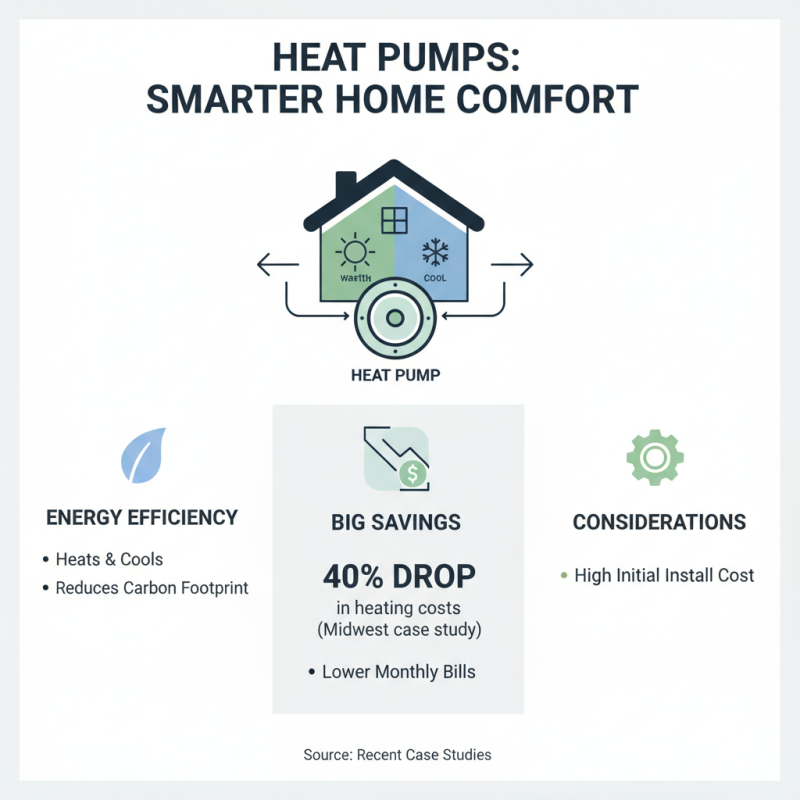
In recent years, heat pumps have gained popularity as energy-efficient solutions for heating and cooling. Case studies reveal their considerable impact on energy bills. One household in the Midwest saw a 40% drop in heating costs after switching to a modern heat pump. They were pleasantly surprised by the difference in their monthly power bills. However, initial installation costs can be quite high, leading some families to hesitate.
Another example comes from a family in the Northeast. They faced high energy expenses during the winter months. After installing a heat pump, they noticed a significant reduction in winter bills. Their energy consumption dropped by nearly 30%. Yet, this family encountered challenges during extreme cold spells. The heat pump struggled to maintain desired temperatures, revealing some limitations.
These real-world scenarios highlight the potential of heat pumps to save money. They can greatly benefit many households. However, proper research is essential before making a decision. Understanding local climate and specific energy needs can ensure the best outcomes. Some homeowners might still question whether switching is worth it. The journey to energy efficiency may not be perfect, but it offers valuable lessons along the way.