2026 Top Heat Pump Technology Innovations to Watch for Future Trends?
The future of heat pump technology is vibrant and promising. As we approach 2026, innovations in this field are transforming energy efficiency. Heat pumps offer sustainable solutions for heating and cooling, reducing our carbon footprint. New designs focus on maximizing efficiency while minimizing environmental impact.
We see a surge in smart technology integration. These advancements allow heat pumps to adapt to various climates and demands effectively. Enhanced sensors and automation improve performance and user experience. However, challenges remain. Not all systems are user-friendly, and some require more maintenance than expected.
The developments in heat pump technology are exciting. Yet, we must reflect on accessibility and affordability. Will these innovations be available to everyone? As we explore the trends, a balance between cutting-edge tech and practical application is crucial. Future innovations should be both groundbreaking and inclusive.

Emerging Heat Pump Technologies Set to Transform 2026 Market Dynamics
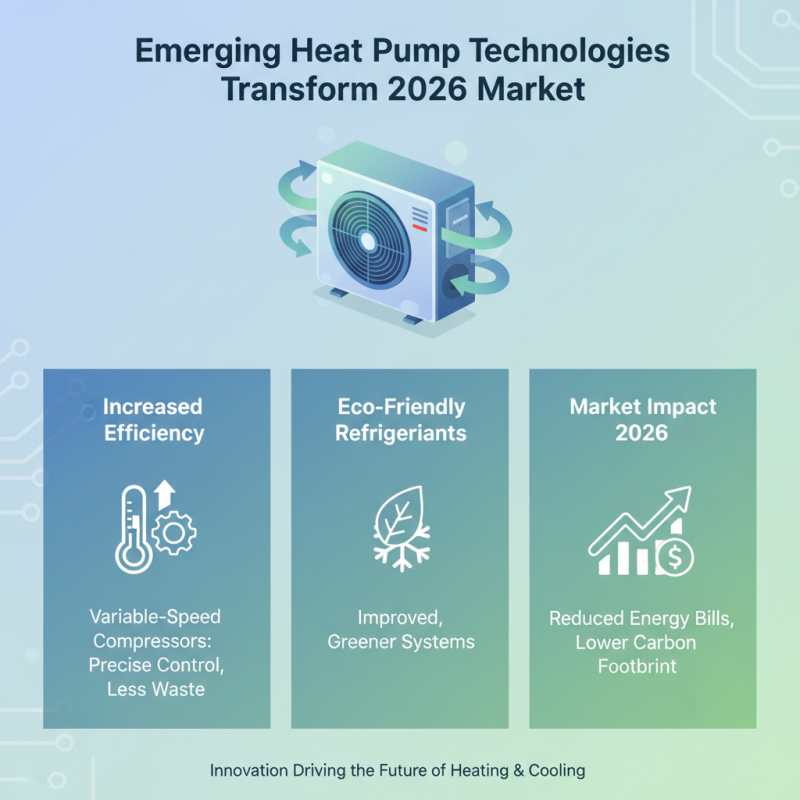
Emerging heat pump technologies are set to revolutionize the market by 2026. Innovative designs are increasing efficiency and reducing energy consumption. For example, variable-speed compressors allow for better temperature control. This means less energy waste. Improved refrigerants are also being introduced, making systems more environmentally friendly.
One exciting trend is the integration of smart technology. These systems can communicate with home automation networks. They adapt to users’ habits, optimizing performance. This takes energy savings to another level. However, not all innovations are foolproof. Some technologies may be complex to install or maintain.
**Tip:** When exploring heat pump options, consider the complexity of installation. It can impact overall efficiency. Research local installer qualifications.
Another notable development is the use of renewable energy sources. Heat pumps that use solar or geothermal energy can significantly cut costs. Yet, the upfront investment can be high. Evaluating long-term benefits is crucial.
**Tip:** Assess your property’s suitability for renewable integration. Not every home may benefit equally. Understanding your specific needs will help in decision-making.
Key Innovations in Heat Pump Efficiency and Sustainability to Monitor
The heat pump industry is undergoing significant advancements aimed at improving efficiency and sustainability. Recent reports indicate that systems can now achieve efficiency ratings exceeding 400%. This means heat pumps can produce more than four units of heating or cooling for every unit of energy consumed. Enhanced compressor technologies and better refrigerants are key drivers behind these improvements. They reduce energy consumption and minimize environmental impacts.
Sustainability remains a pressing concern. A study from a leading environmental organization reveals that the adoption of heat pumps could cut global carbon emissions from residential heating by up to 70% by 2030. New designs are being developed that utilize natural refrigerants, which have a lower global warming potential. These innovations reflect the industry's shift towards greener alternatives. However, the transition is not without challenges. There are still gaps in consumer awareness and installation standards. Some regions lack the skilled workforce to effectively implement these evolving technologies.
Monitoring these trends is vital. Innovations in smart technology are enabling real-time diagnostics and predictive maintenance, which may increase service reliability. However, the industry must continuously reflect on the accessibility of these systems. High initial costs could deter potential users, despite long-term savings. Balancing cost, efficiency, and sustainability will be crucial as the market evolves in the coming years.
2026 Top Heat Pump Technology Innovations to Watch for Future Trends
| Innovation |
Description |
Efficiency Rating |
Sustainability Impact |
Expected Market Adoption Year |
| Advanced Refrigerants |
Use of low-GWP refrigerants that enhance system performance and reduce global warming potential. |
A+++ (Advanced) |
Reduced carbon footprint by 30%. |
2026 |
| Smart Thermostats |
Integration of AI to optimize heating schedules based on user behavior and preferences. |
A++ (High) |
Energy savings up to 20% per household. |
2025 |
| Hybrid Systems |
Combining heat pumps with traditional systems for improved flexibility and efficiency. |
A++ (High) |
Lower emissions during peak demand. |
2026 |
| Improved Heat Exchangers |
Ultra-efficient exchangers that maximize heat transfer and reduce energy consumption. |
A+++ (Exceptional) |
Increased efficiency leads to lower operational costs. |
2025 |
| Geothermal Innovations |
New drilling technologies reduce installation times and costs for geothermal heat pumps. |
A+++ (Exceptional) |
Significantly lowers reliance on fossil fuels. |
2027 |
Smart Control Systems and IoT Integration in Future Heat Pumps
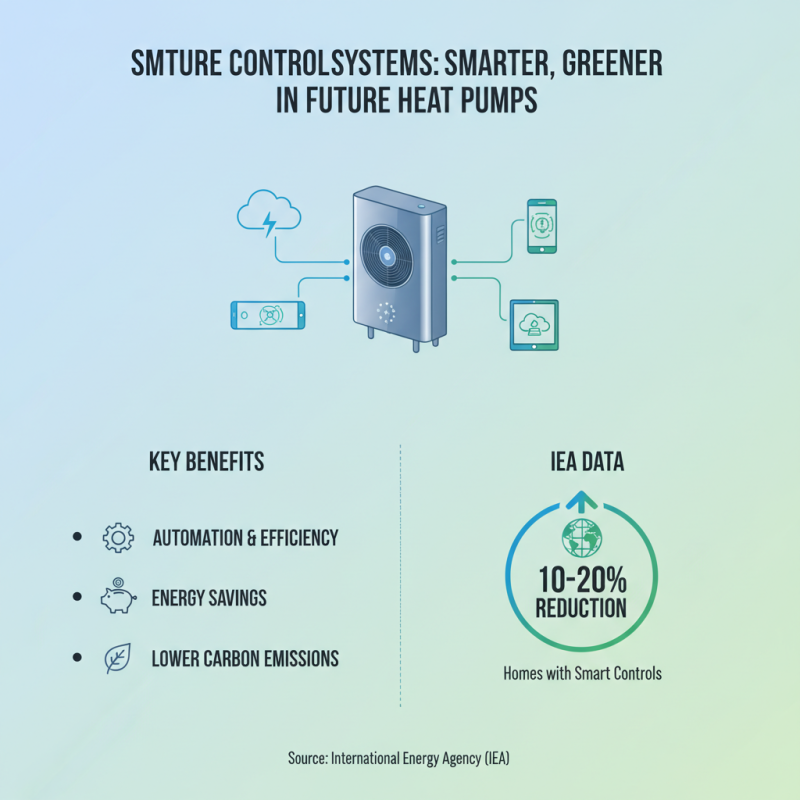
Smart control systems and IoT integration are key to the future of heat pumps. These technologies bring automation and efficiency to the forefront. For instance, according to the International Energy Agency, homes with smart controls can reduce energy consumption by 10-20%. This reduction not only saves homeowners money but also lowers carbon emissions.
Sensors and machine learning allow heat pumps to adjust their operation based on real-time data. These systems learn from user behavior and external conditions. The result is optimized heating and cooling while minimizing energy waste. However, these technologies require a reliable internet connection. In areas with poor connectivity, the effectiveness of smart controls may diminish.
Tips: Regularly update your home's Wi-Fi for better device performance. Monitor the system's energy reports for insights. Engage with your heat pump to let it learn your preferences over time. Remember, while smart tech offers great benefits, issues can arise. A bug in the software or connectivity loss can cause inefficiencies. Always have a backup plan in mind.
Advancements in Alternative Refrigerants for Eco-Friendly Heat Pumps
As the world shifts towards sustainability, innovations in heat pump technology gain importance. One major focus is on alternative refrigerants. Traditional refrigerants often harm the ozone layer and contribute to global warming. New alternatives aim to reduce these negative effects while maintaining efficiency.
Recent advancements have led to refrigerants that are more eco-friendly and effective. These options not only help in reducing carbon footprints but also ensure optimal performance in varying climates. Some of them can operate effectively in extreme temperatures, enhancing their adaptability. However, ongoing research is crucial to ensure these alternatives perform reliably.
Innovations are promising, yet challenges remain. Some alternative refrigerants may have compatibility issues with existing systems. Industries must invest time and resources to address these concerns. Continuous collaboration between manufacturers and researchers will help improve these technologies. There is still much to explore in this evolving field, pushing for better solutions and sustainable practices.
Potential Impact of Regulatory Changes on Heat Pump Technology Development
The landscape of heat pump technology is evolving rapidly. Regulatory changes are a significant factor driving these innovations. Stricter environmental standards can push manufacturers towards more energy-efficient solutions. This shift may lead to the development of advanced heat pump systems that utilize alternative refrigerants.
Tips: Research local laws affecting heat pump installations. Understanding incentives can help maximize benefits.
Challenges exist in adapting existing systems to comply with new regulations. Retrofitting older units may not always be feasible. Some homeowners may hesitate to invest in new technology due to uncertainty. However, embracing these changes can lead to long-term savings on energy bills.
Tips: Consider consulting with professionals for installation advice. They can help navigate regulatory challenges.
The impact of regulations goes beyond compliance. It shapes consumer preferences as well. Educated customers may prioritize energy-efficient options, encouraging innovation in the market. Adapting to these evolving trends is crucial in the competitive landscape of heat pump technology.